SOLO EXHIBITION BY MASTER CRAFTSMAN
RE CLAY, RE DOGABI
Regeneration and Creation
VENUE Gallery Nuri, Exhibition Hall 2, Goyang Aram Nuri Arts Center
DATES August 14(Fri) -21(Fri)
Closed on Monday, August 17
OPENING HOURS 10:00 AM-6:00 PM
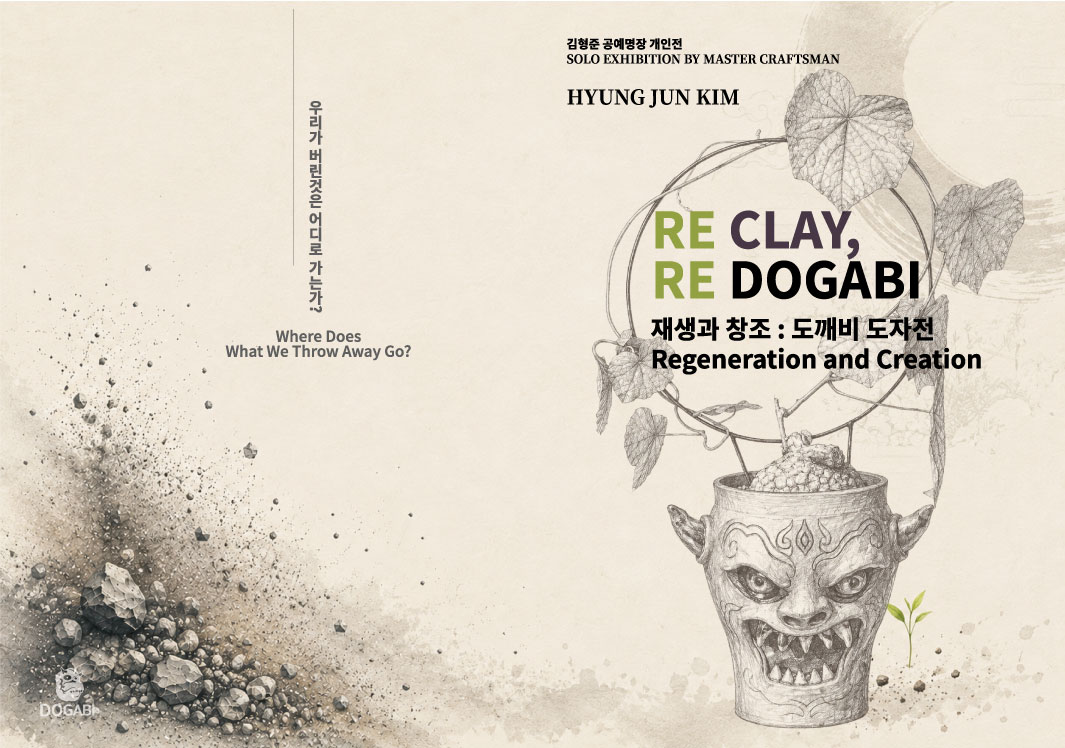
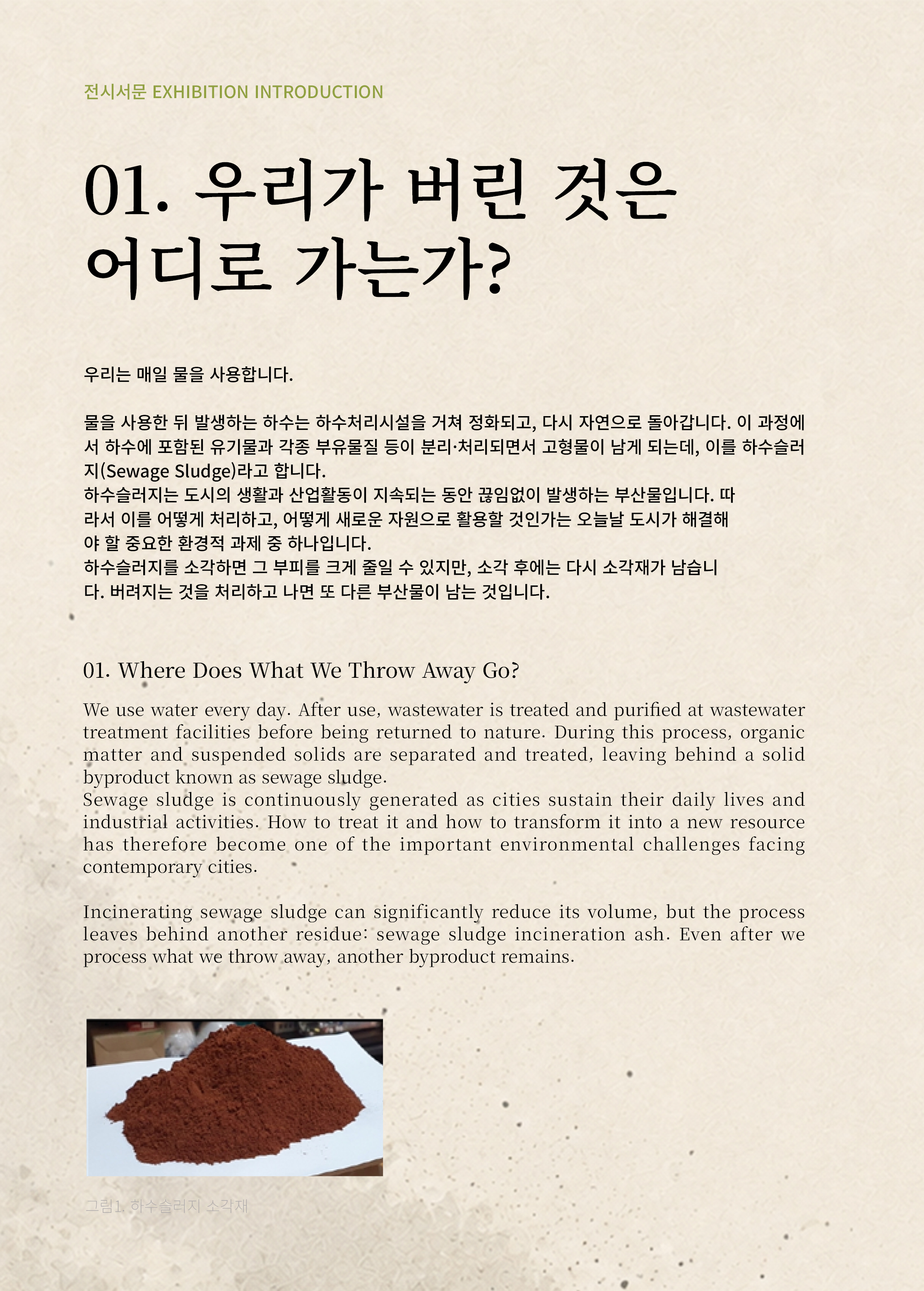
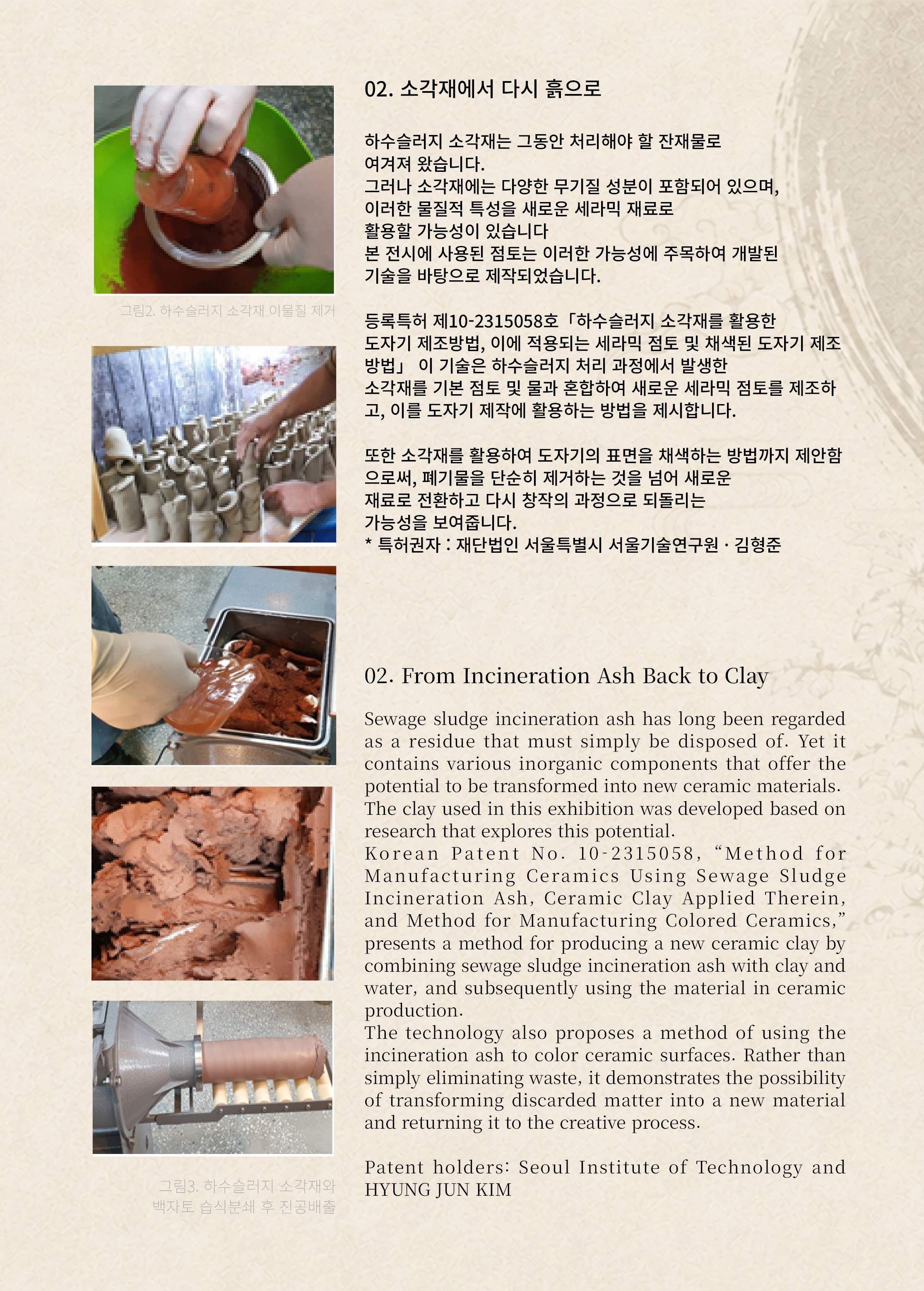
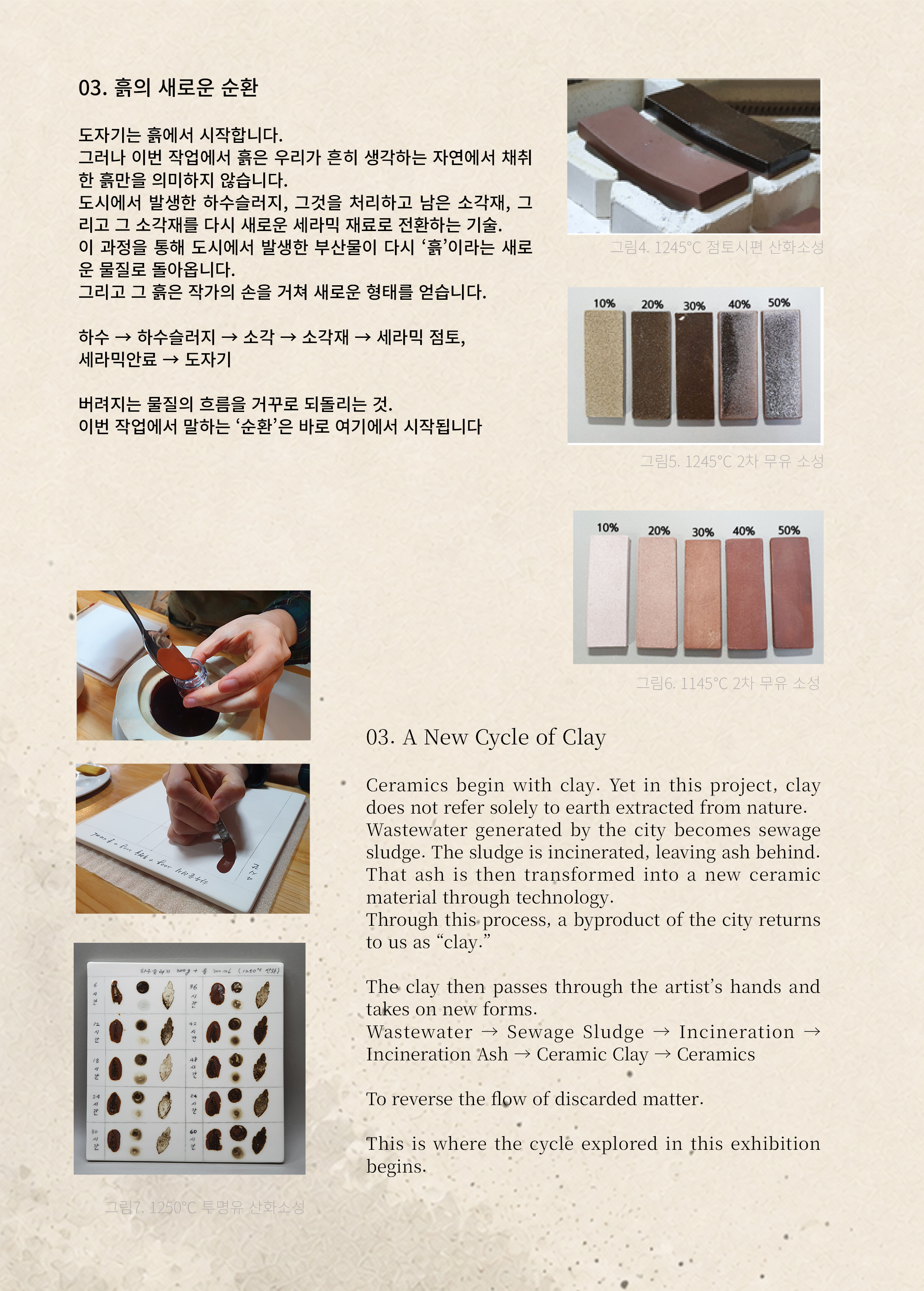
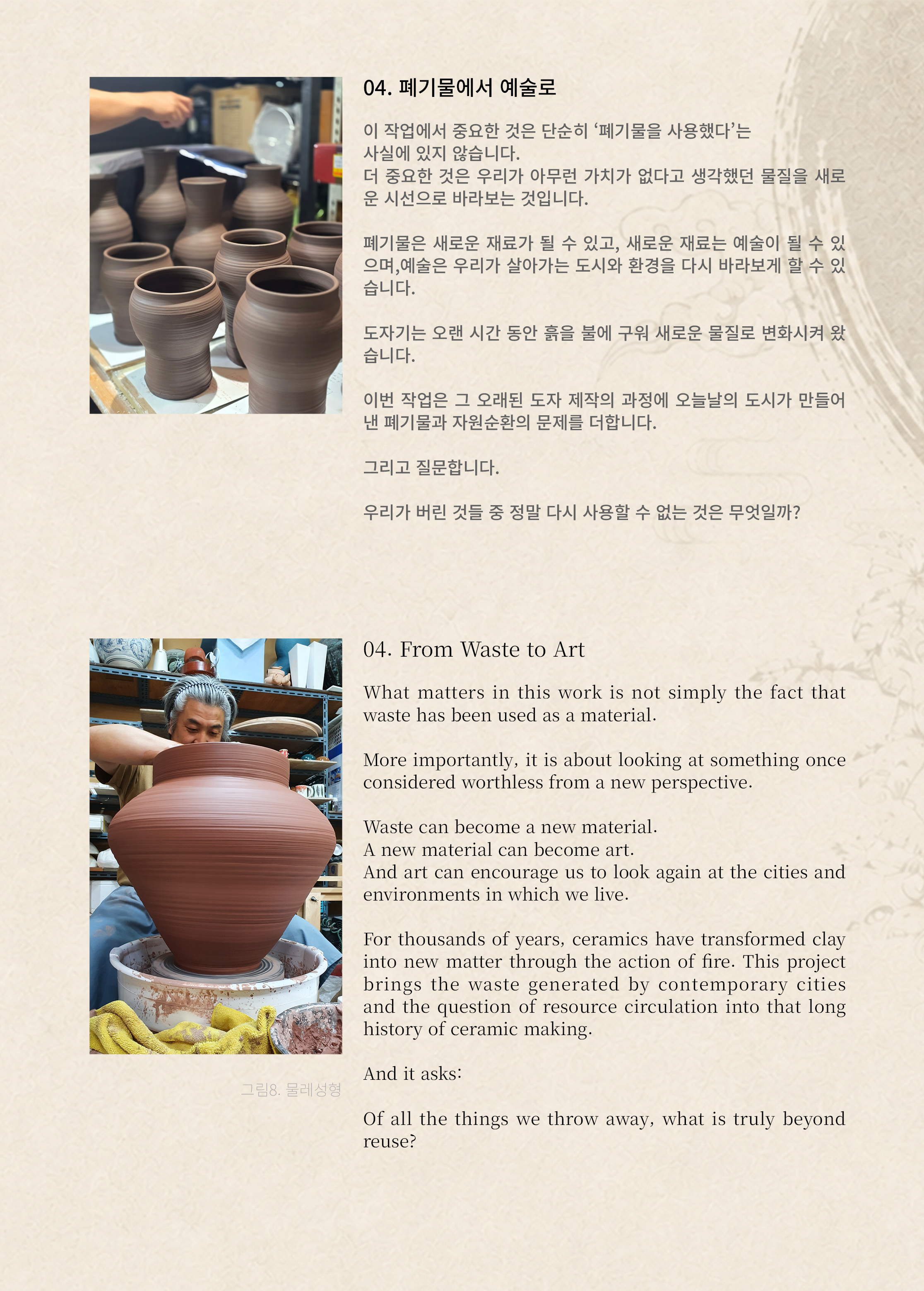
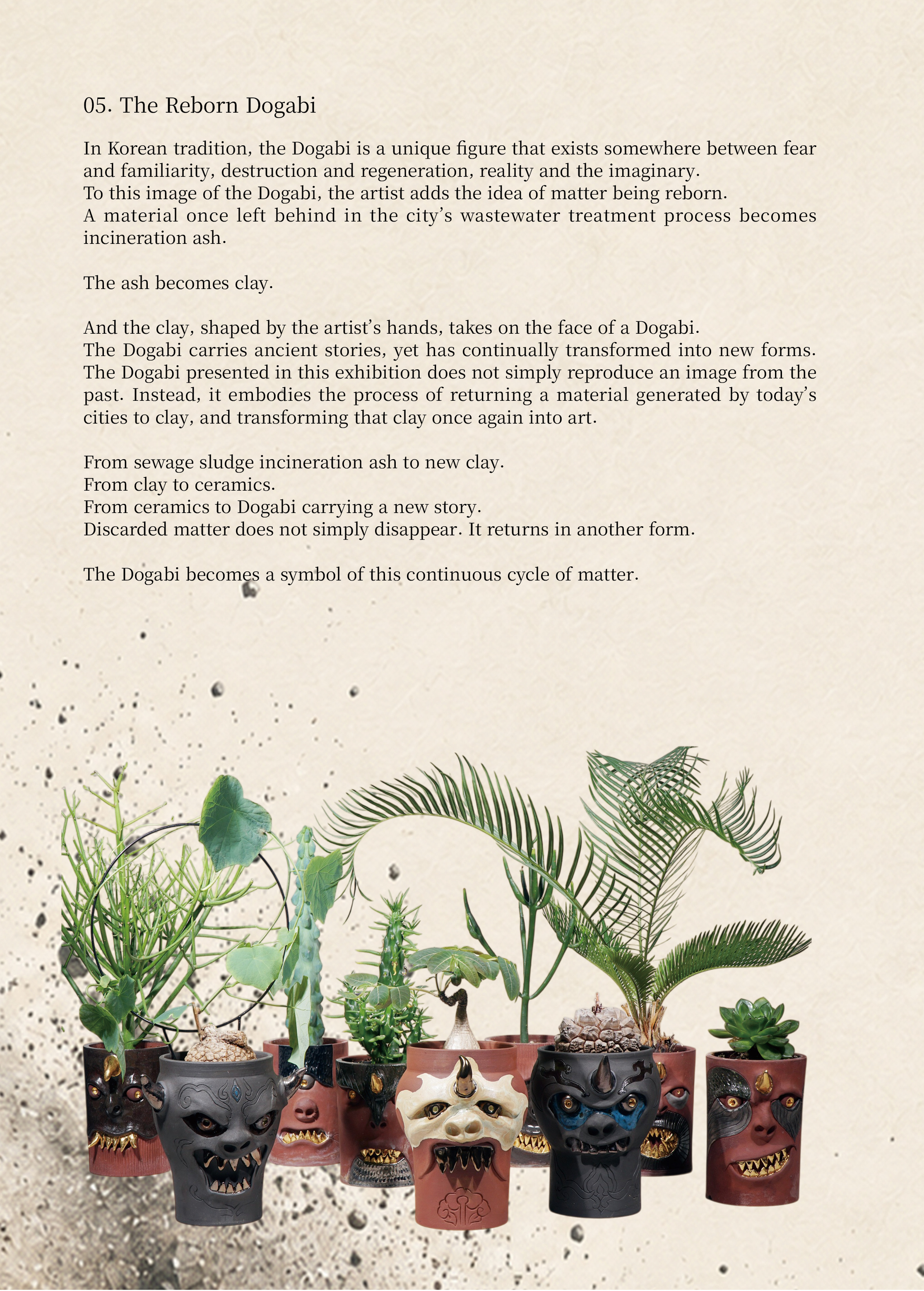
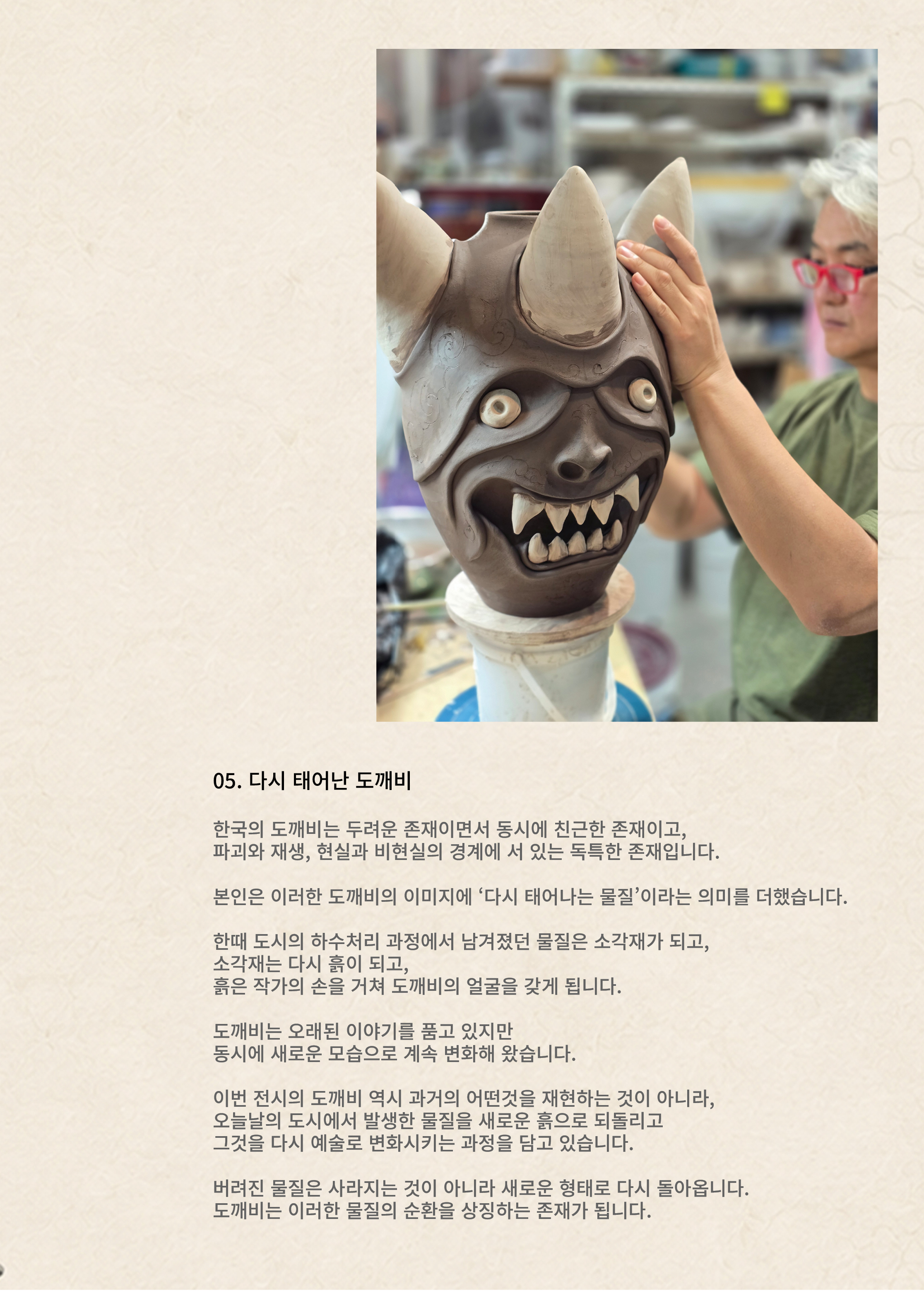
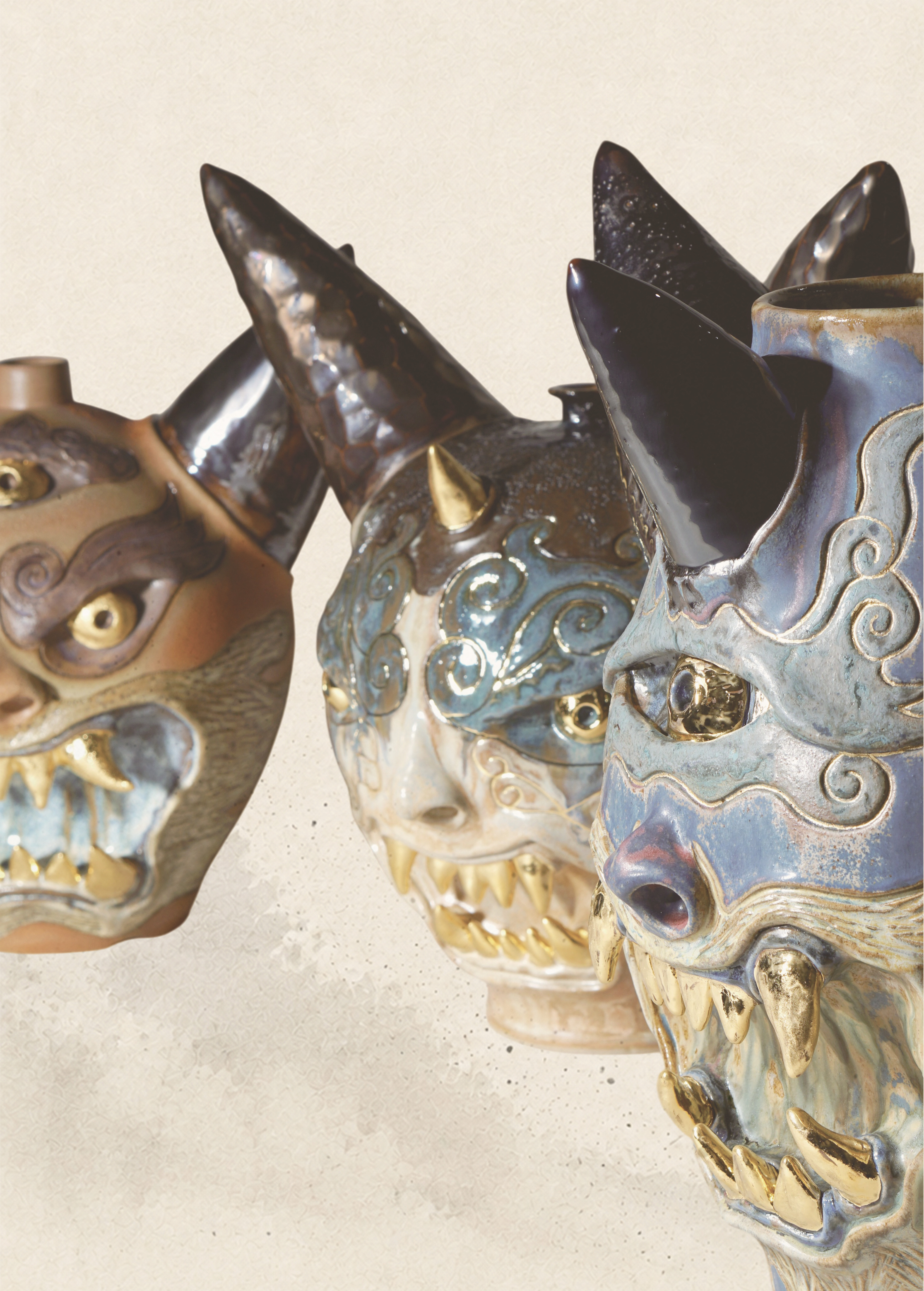
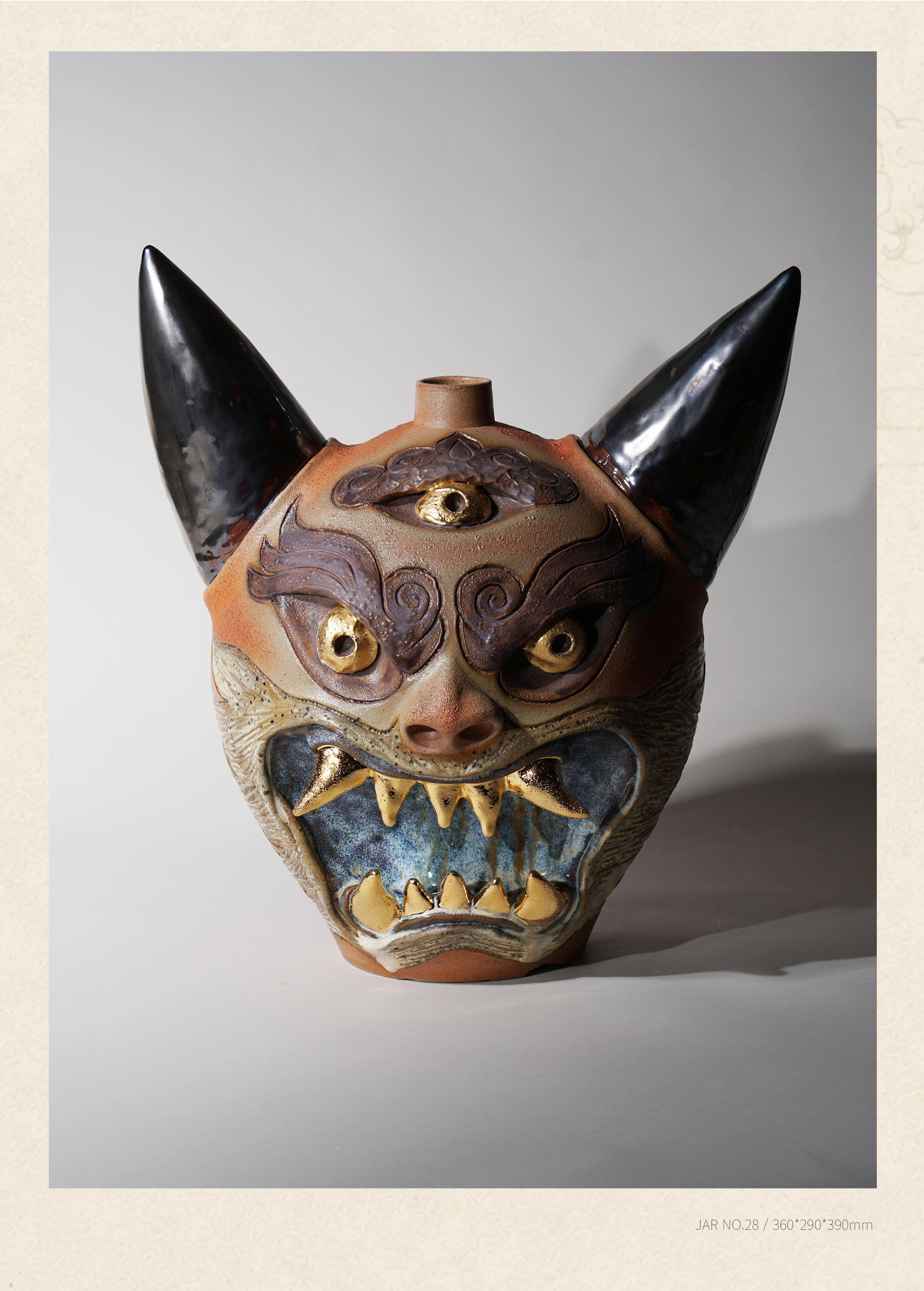
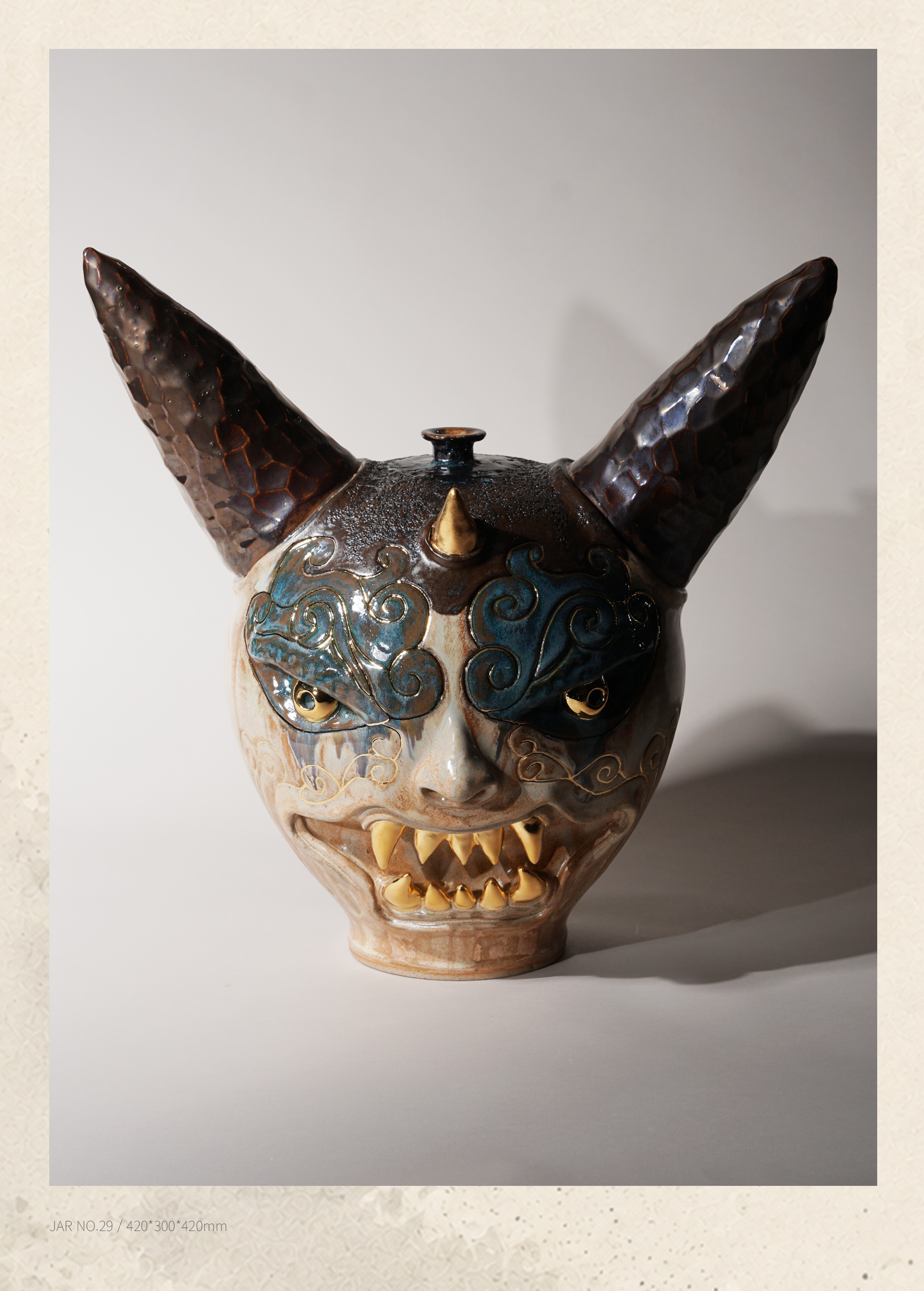
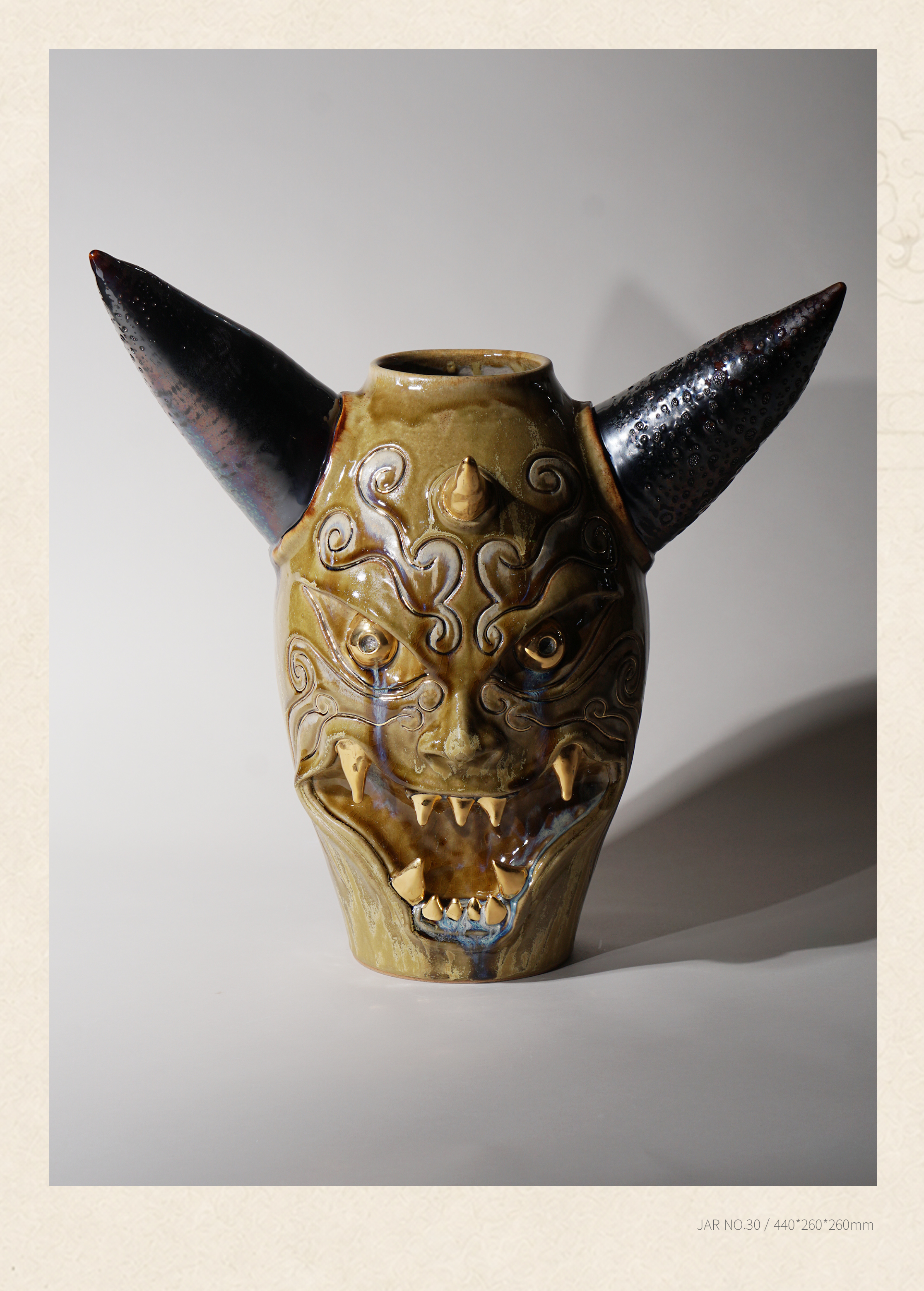
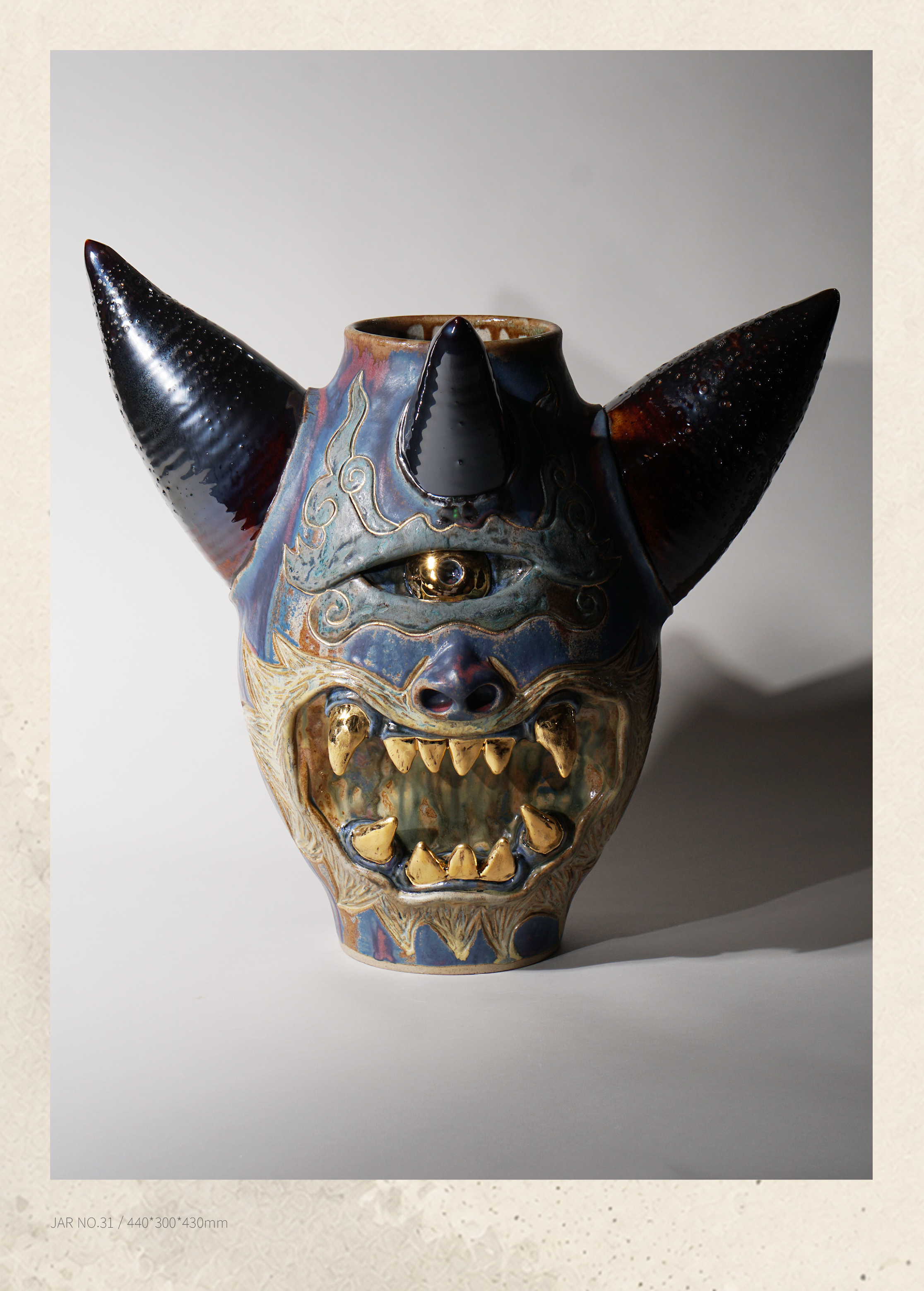
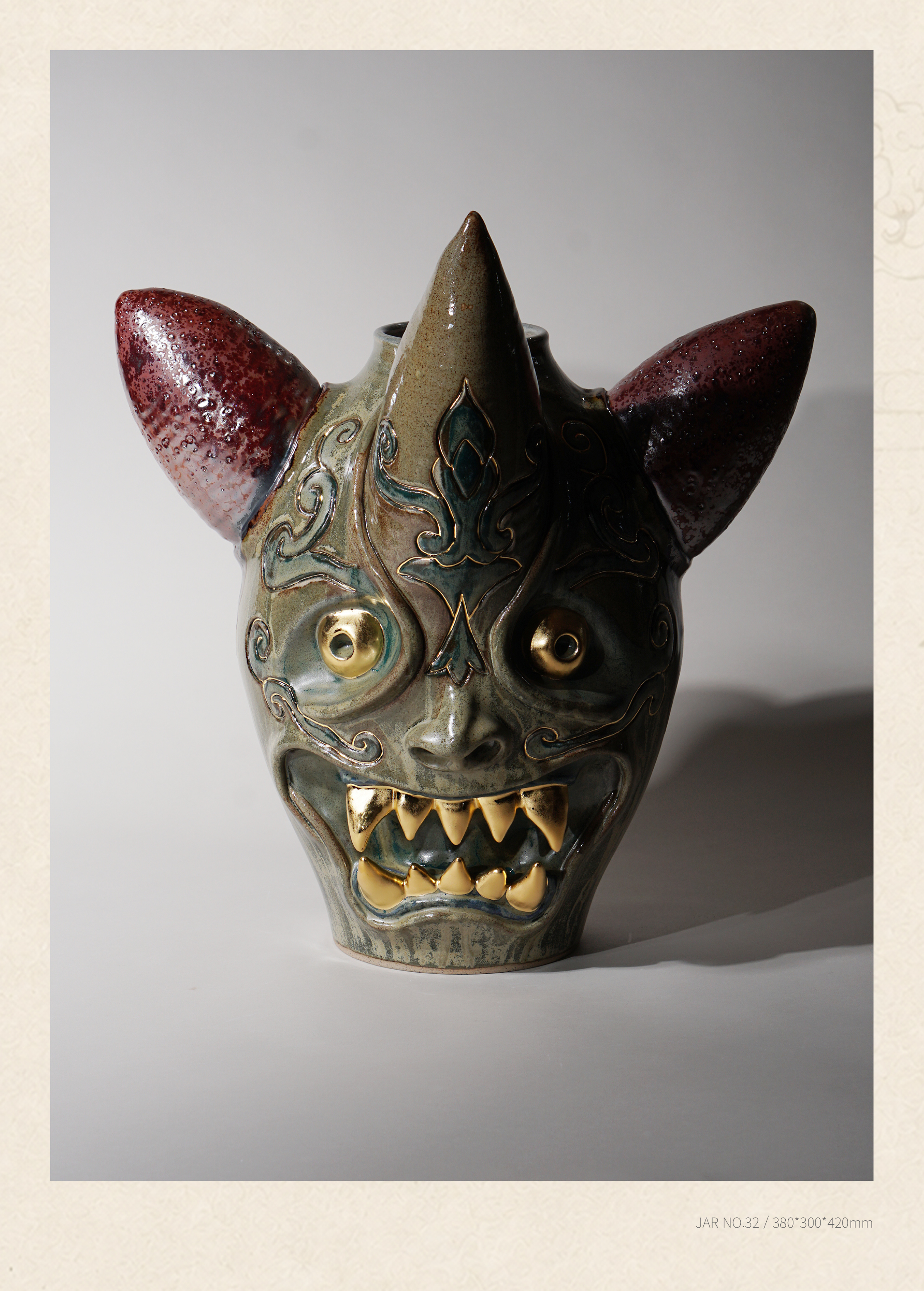
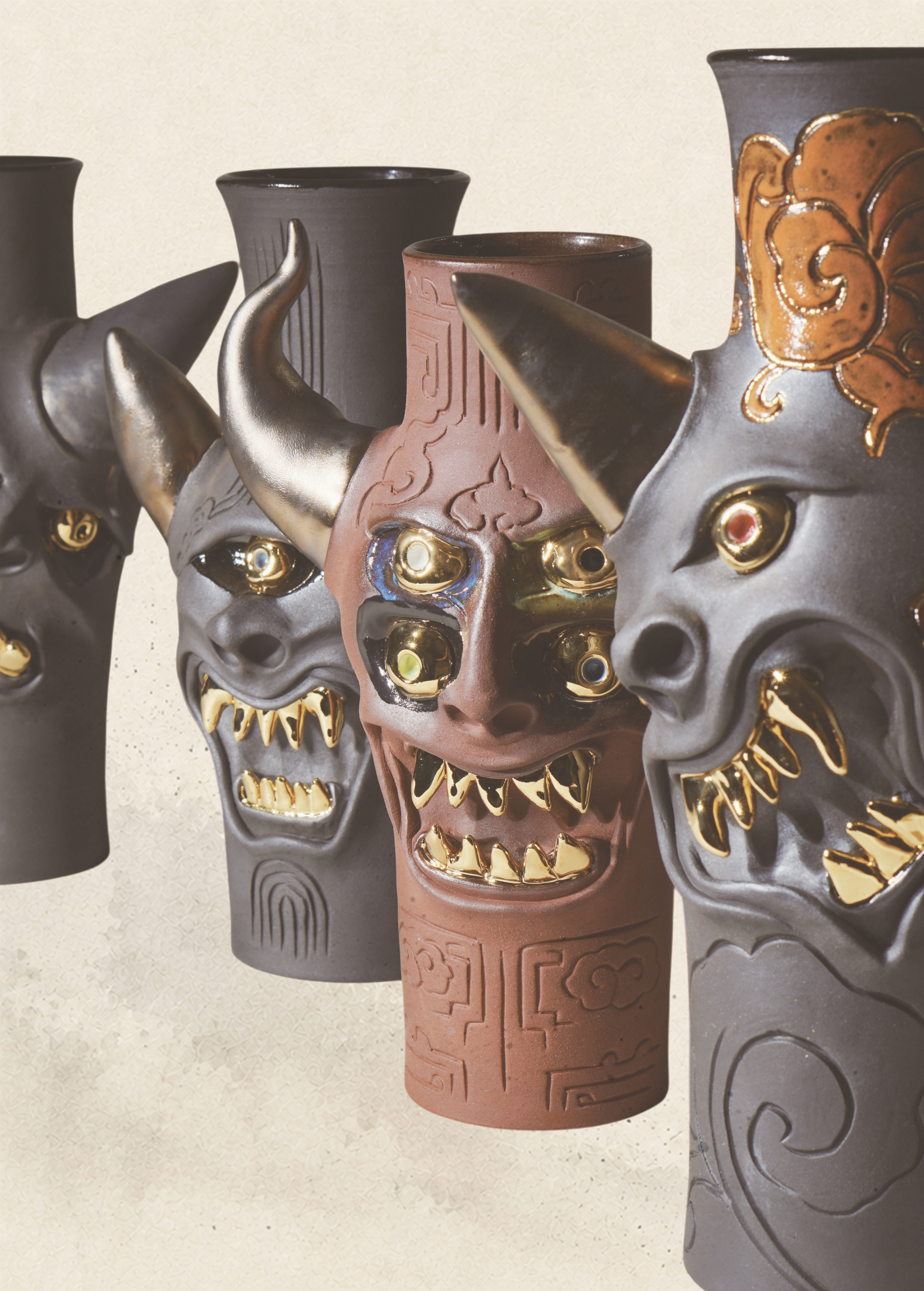
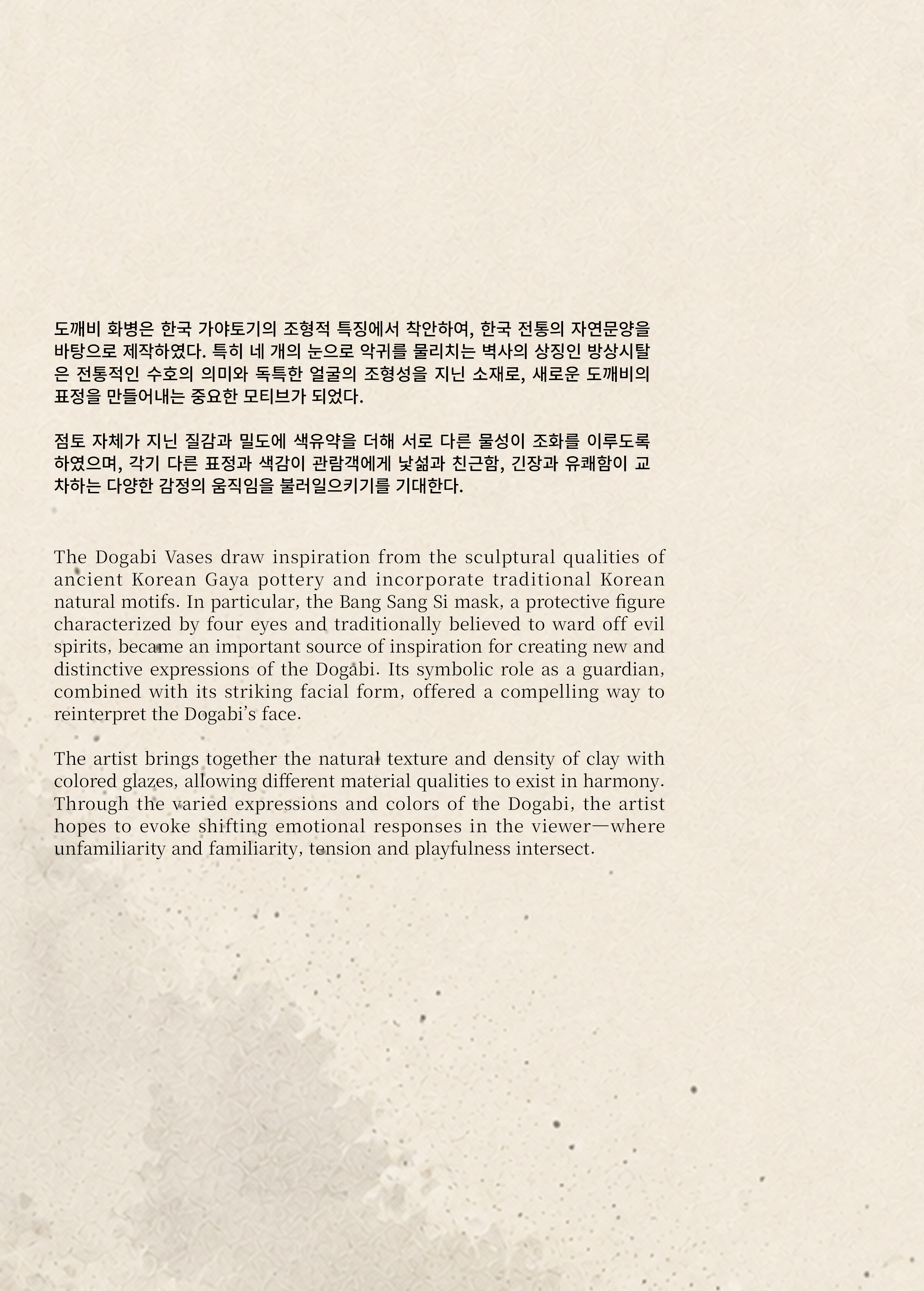
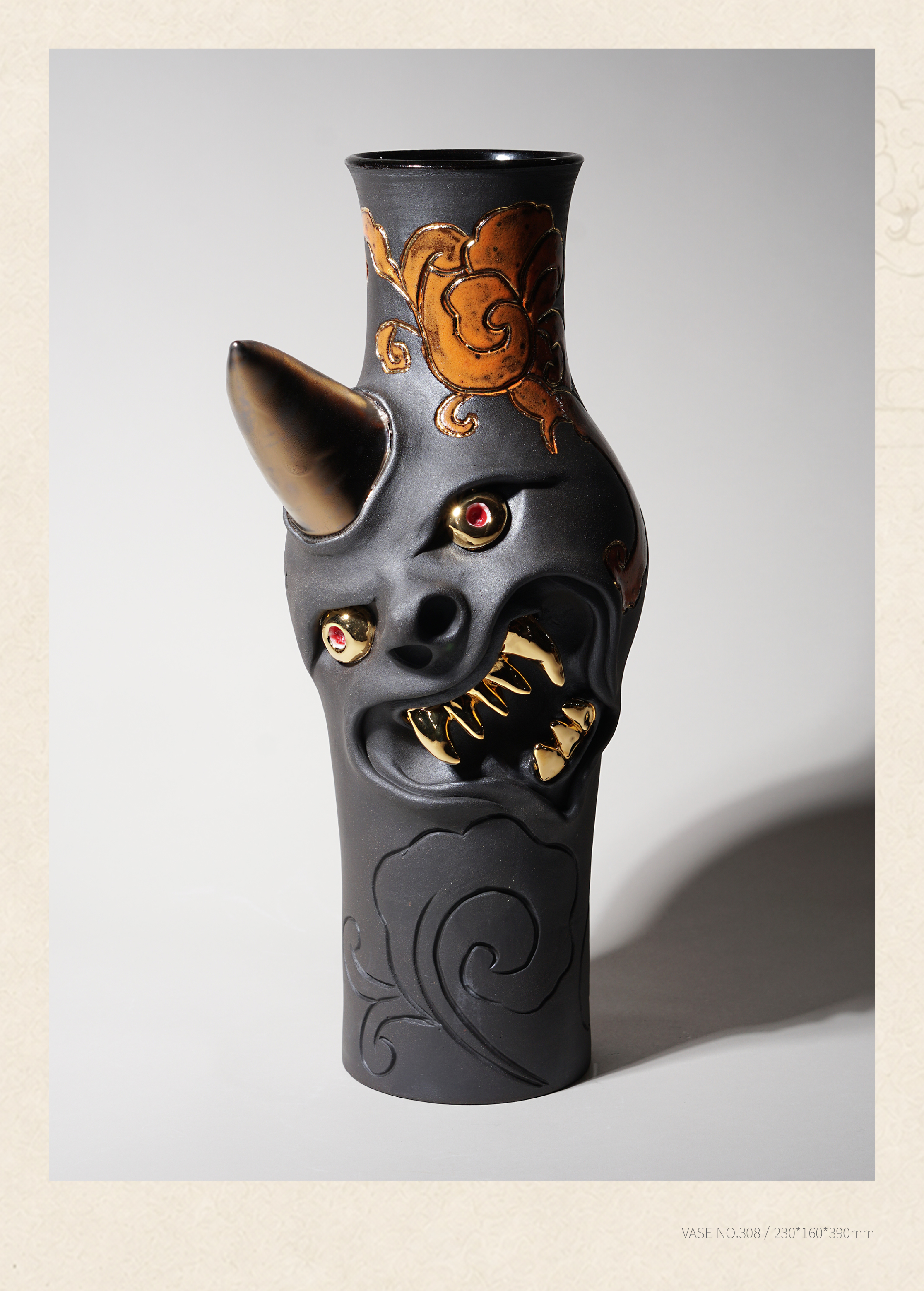
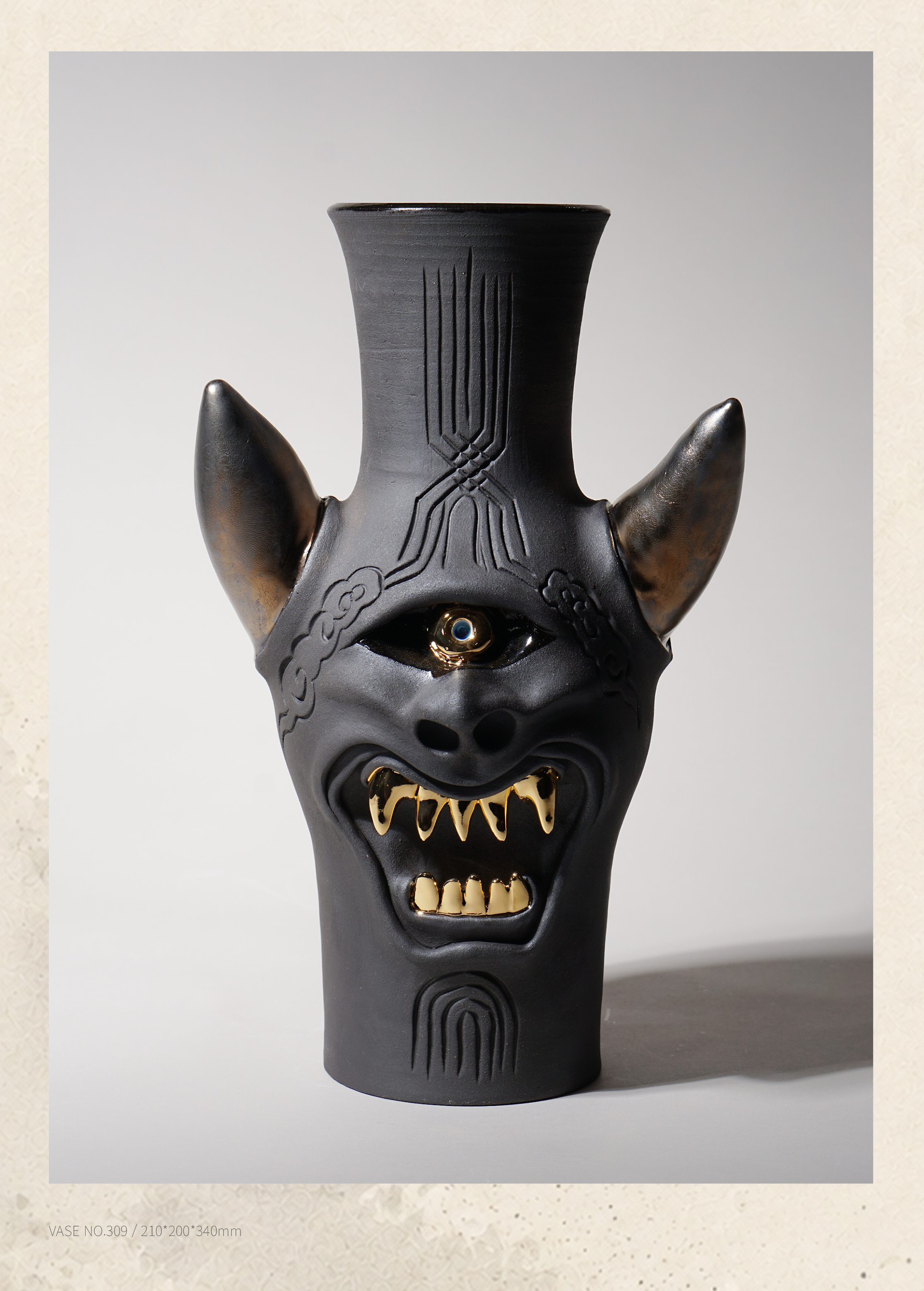
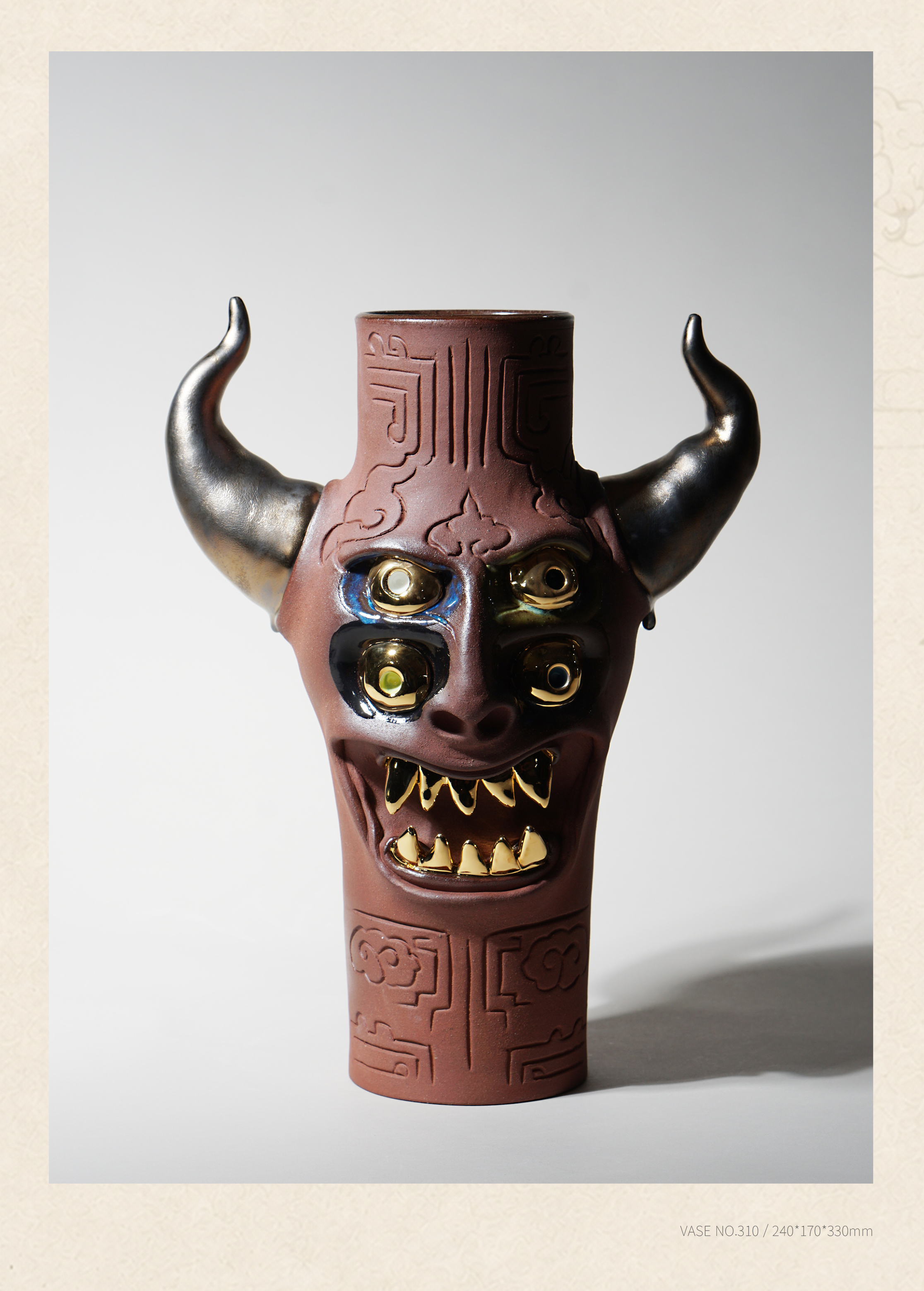
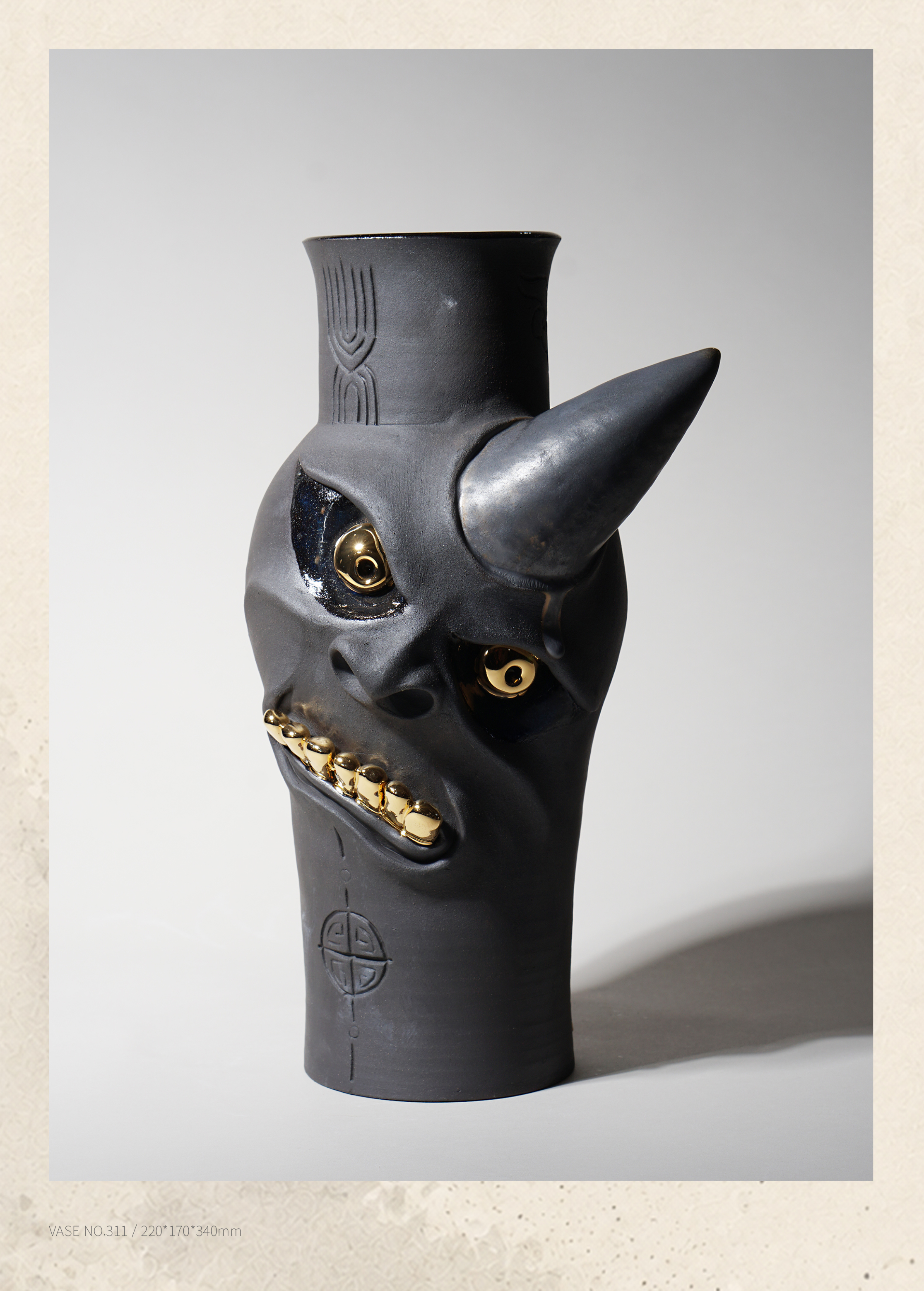
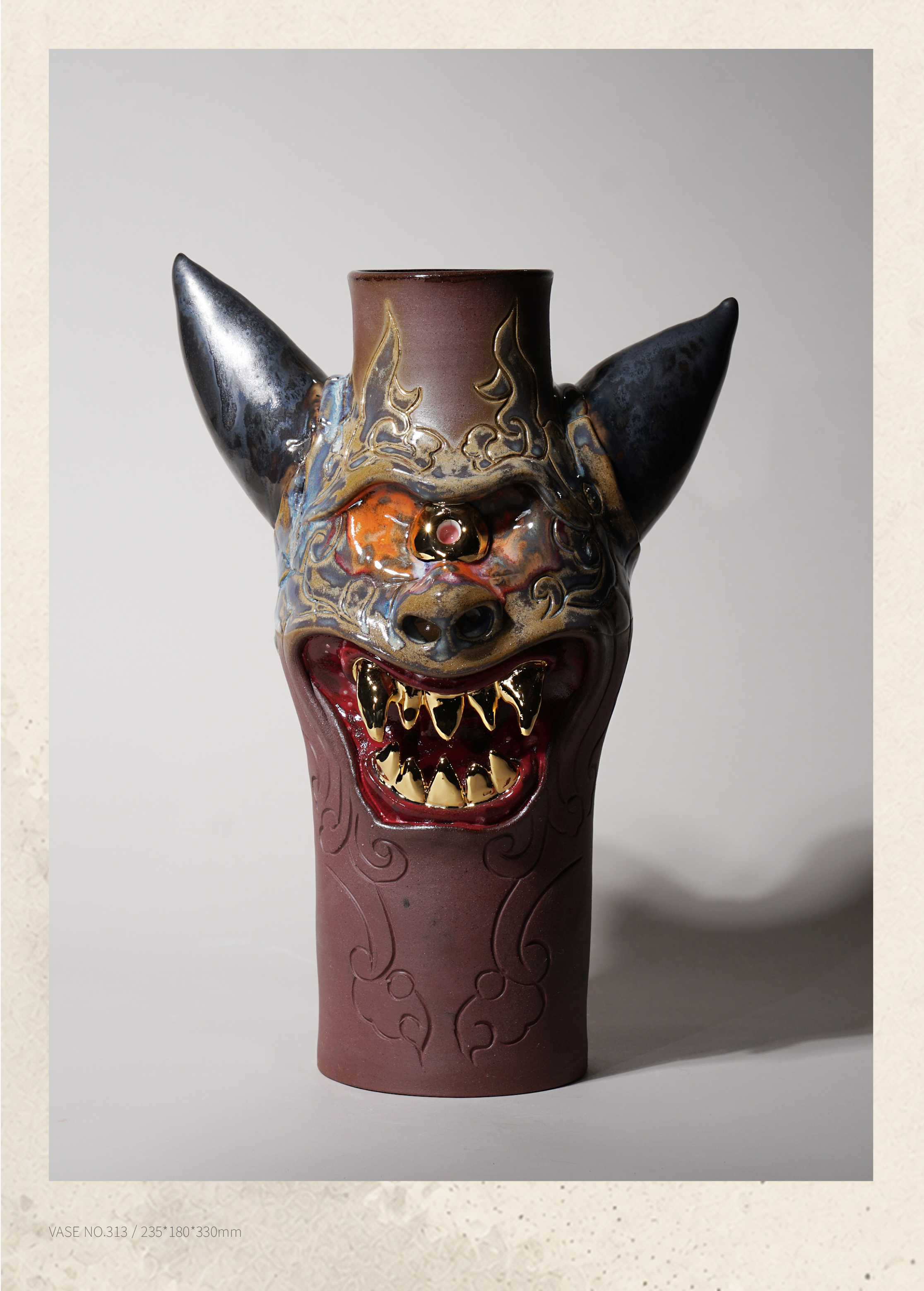
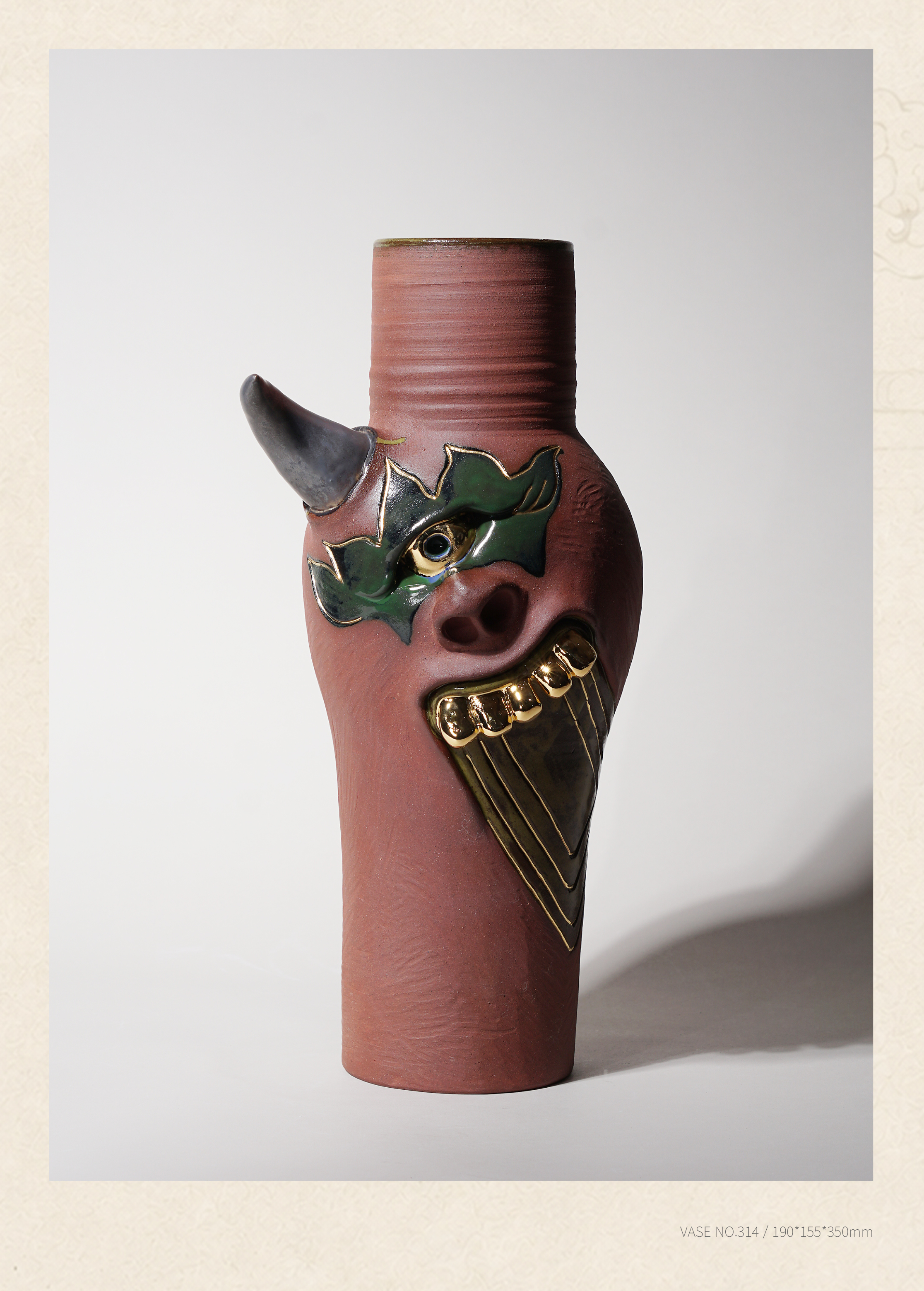
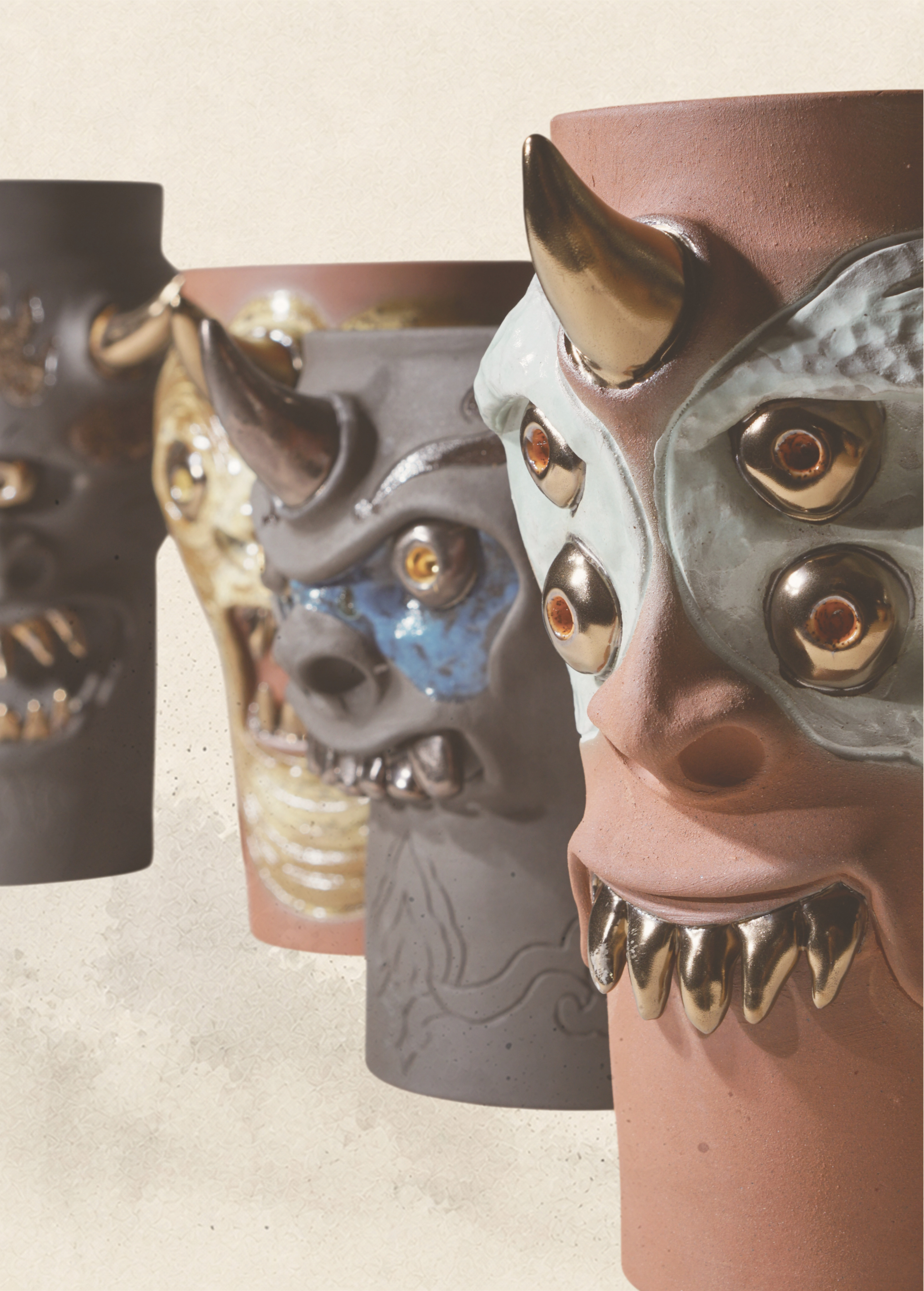
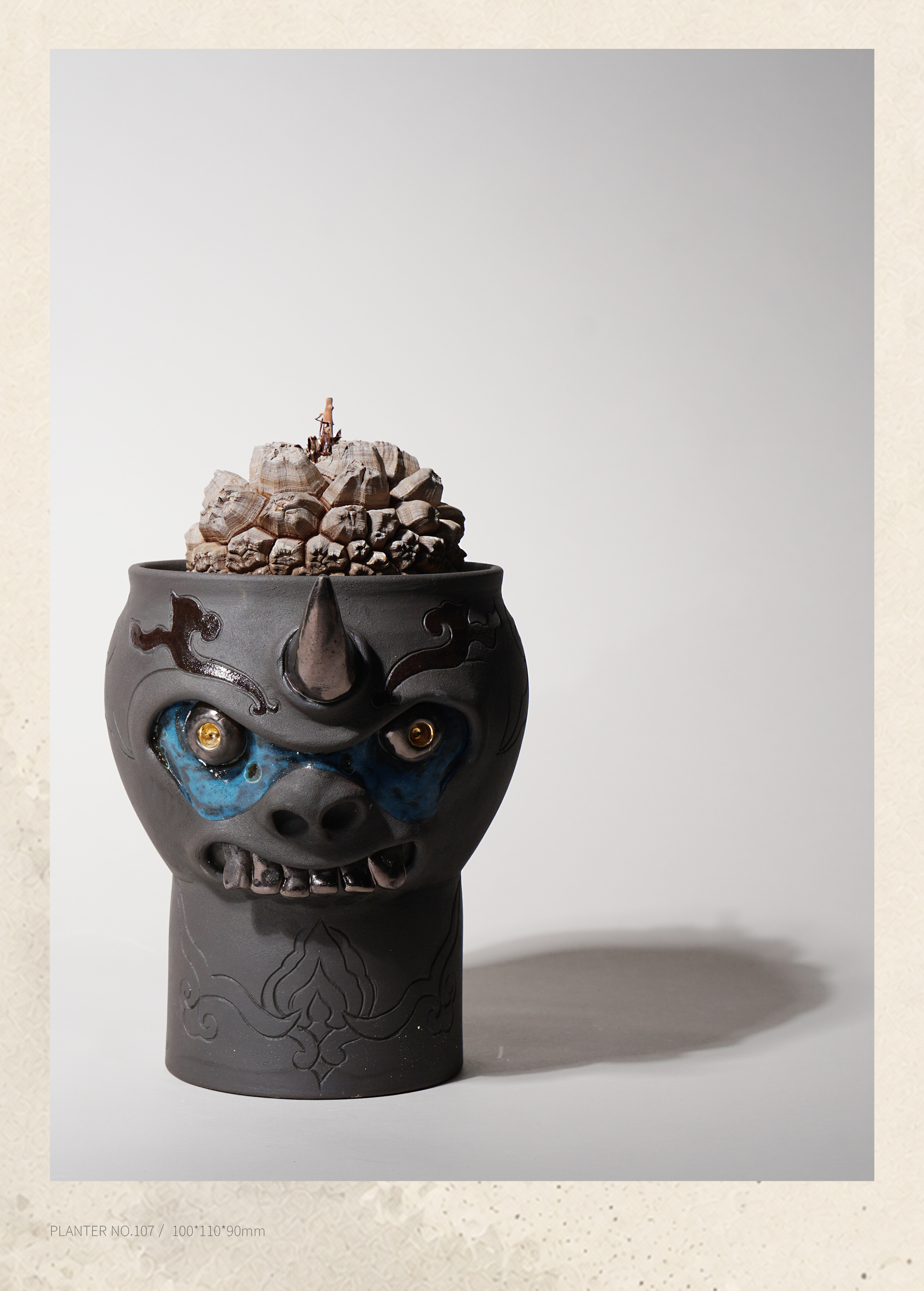
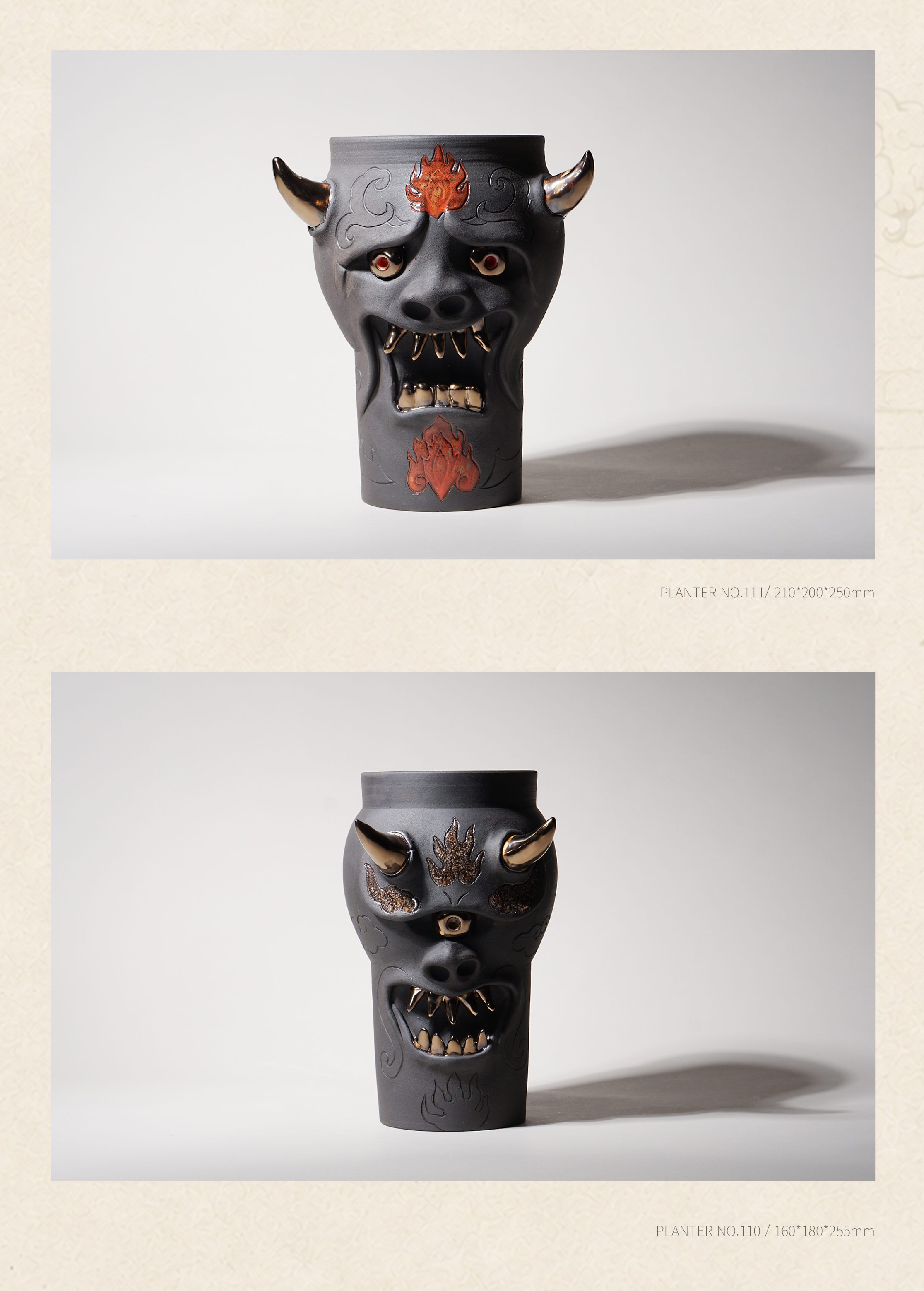
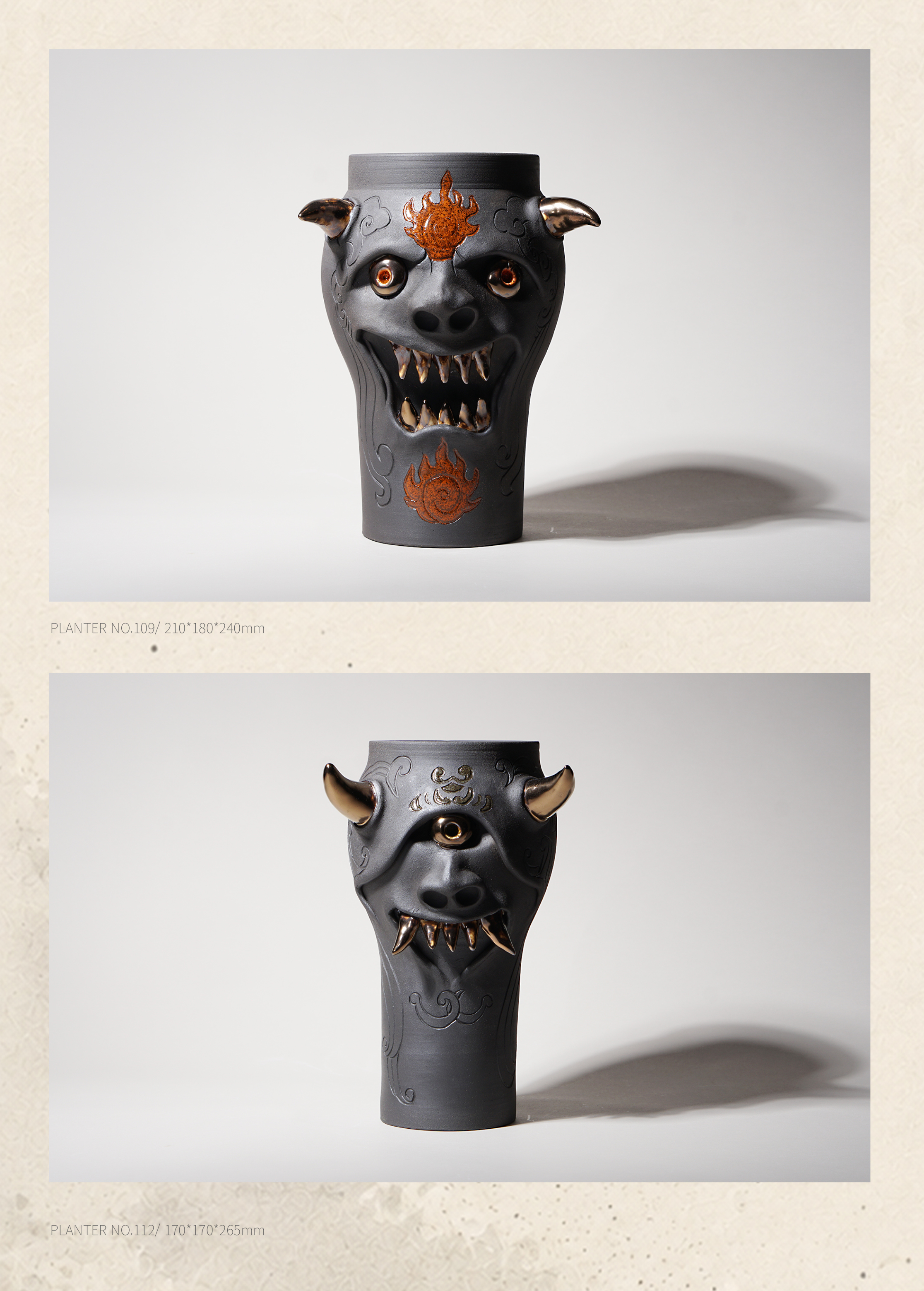
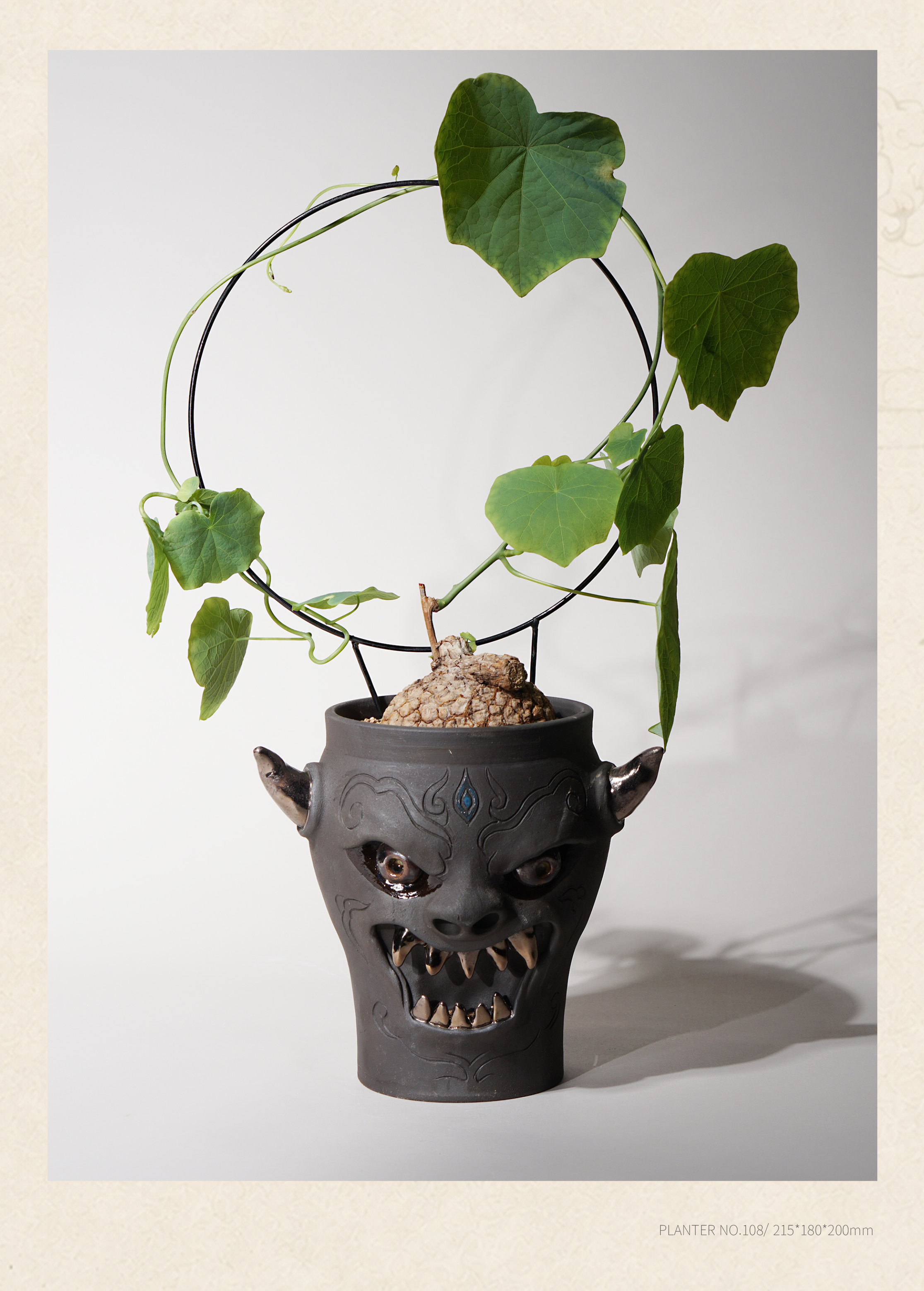
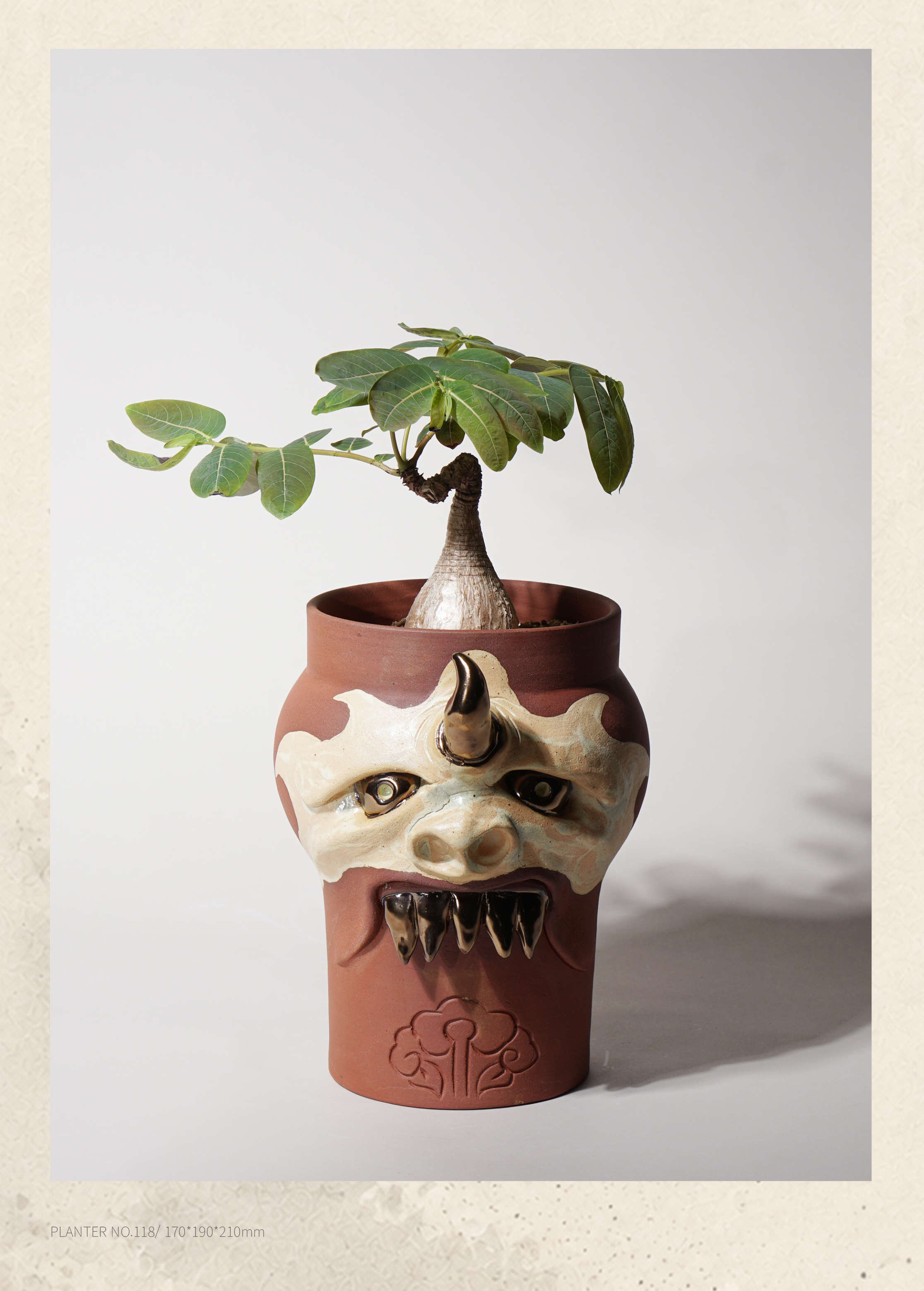
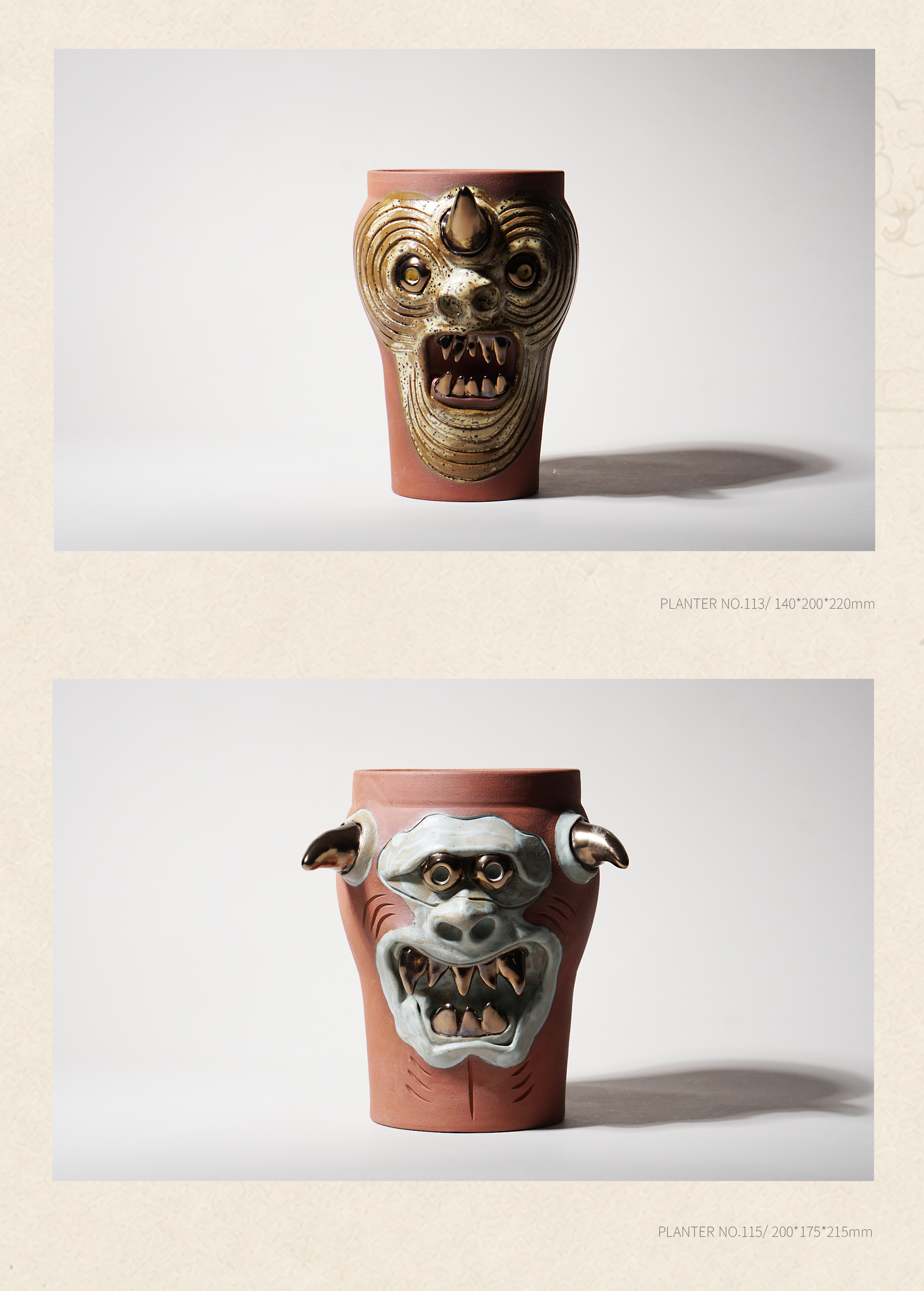
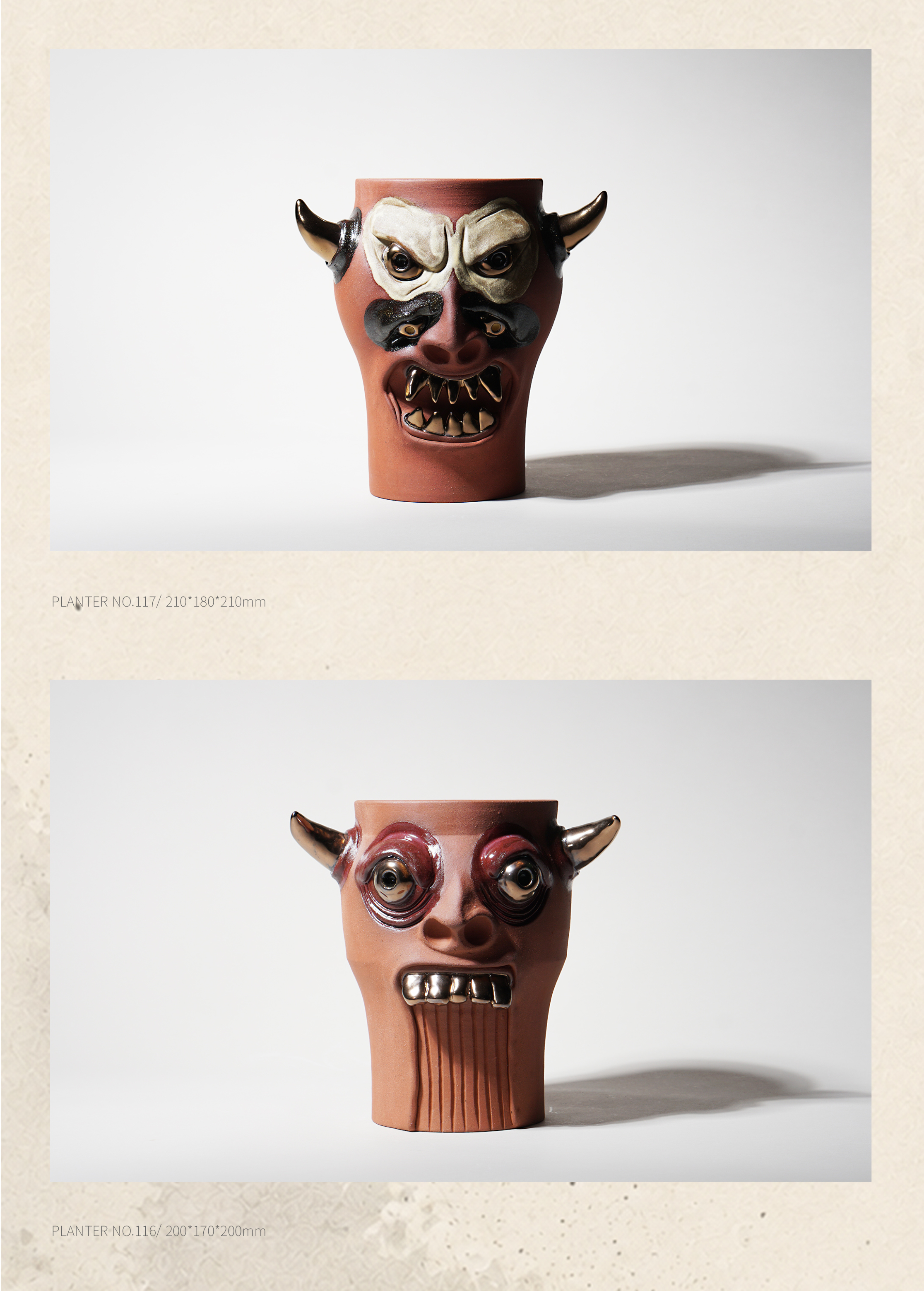
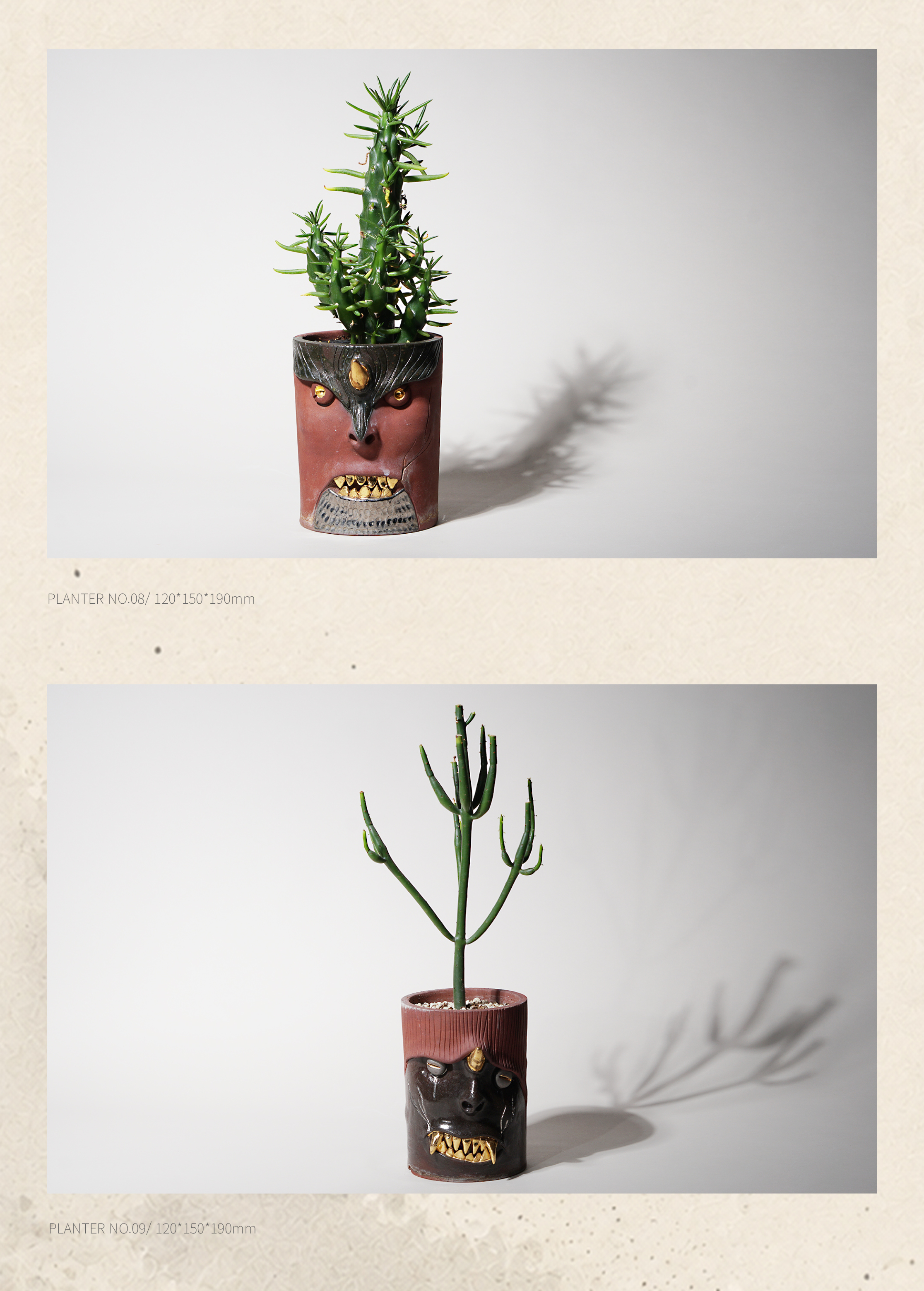
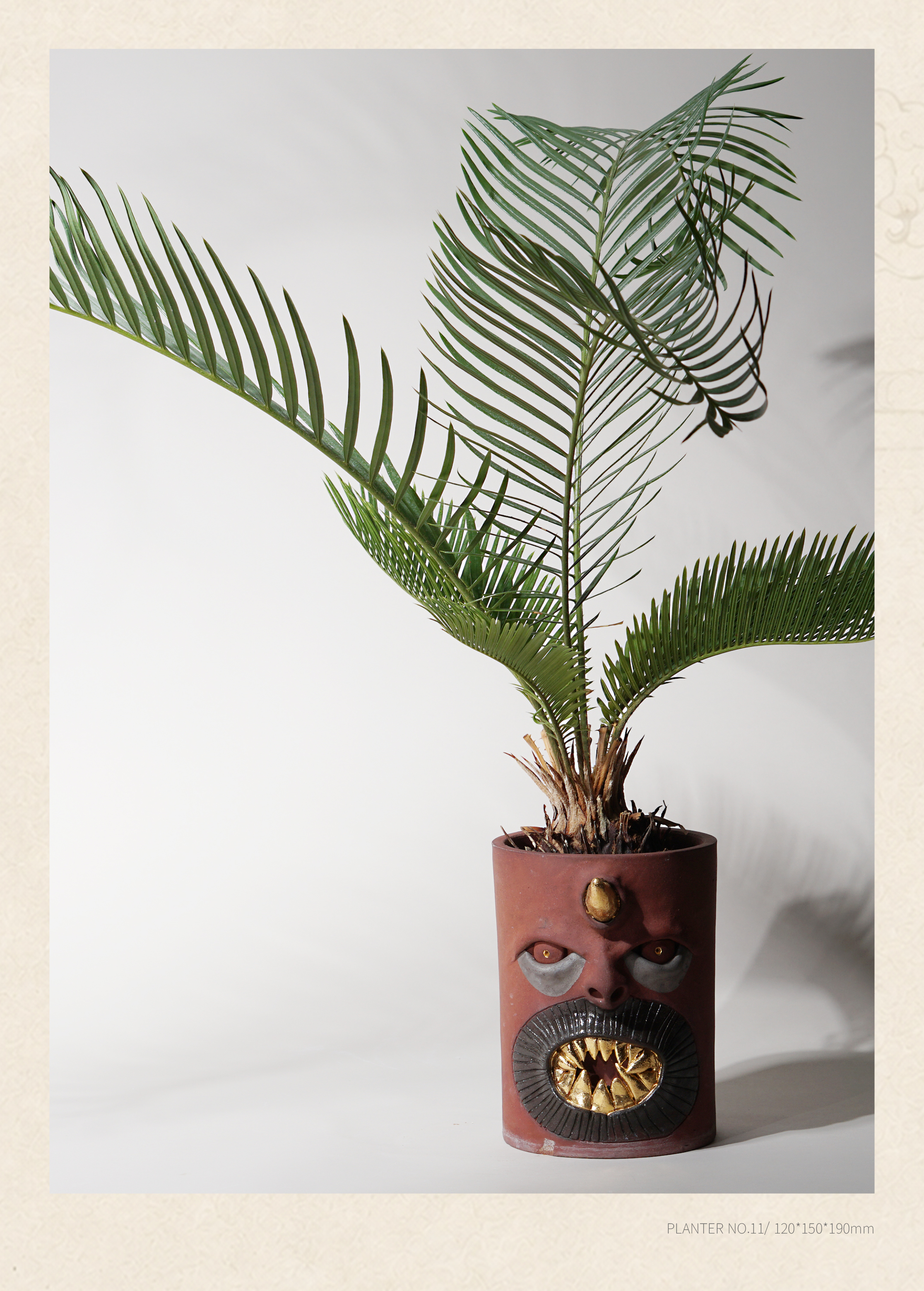
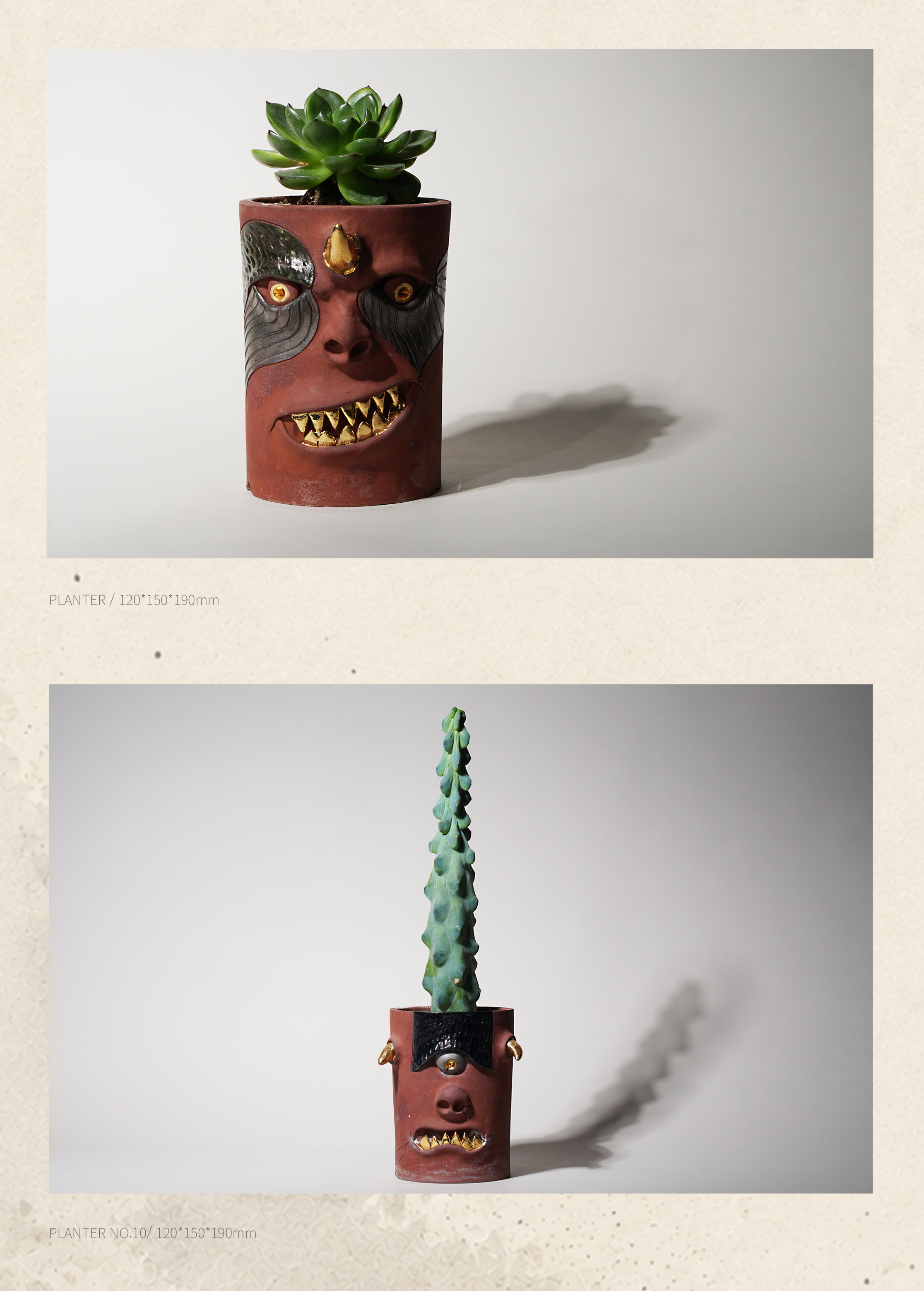
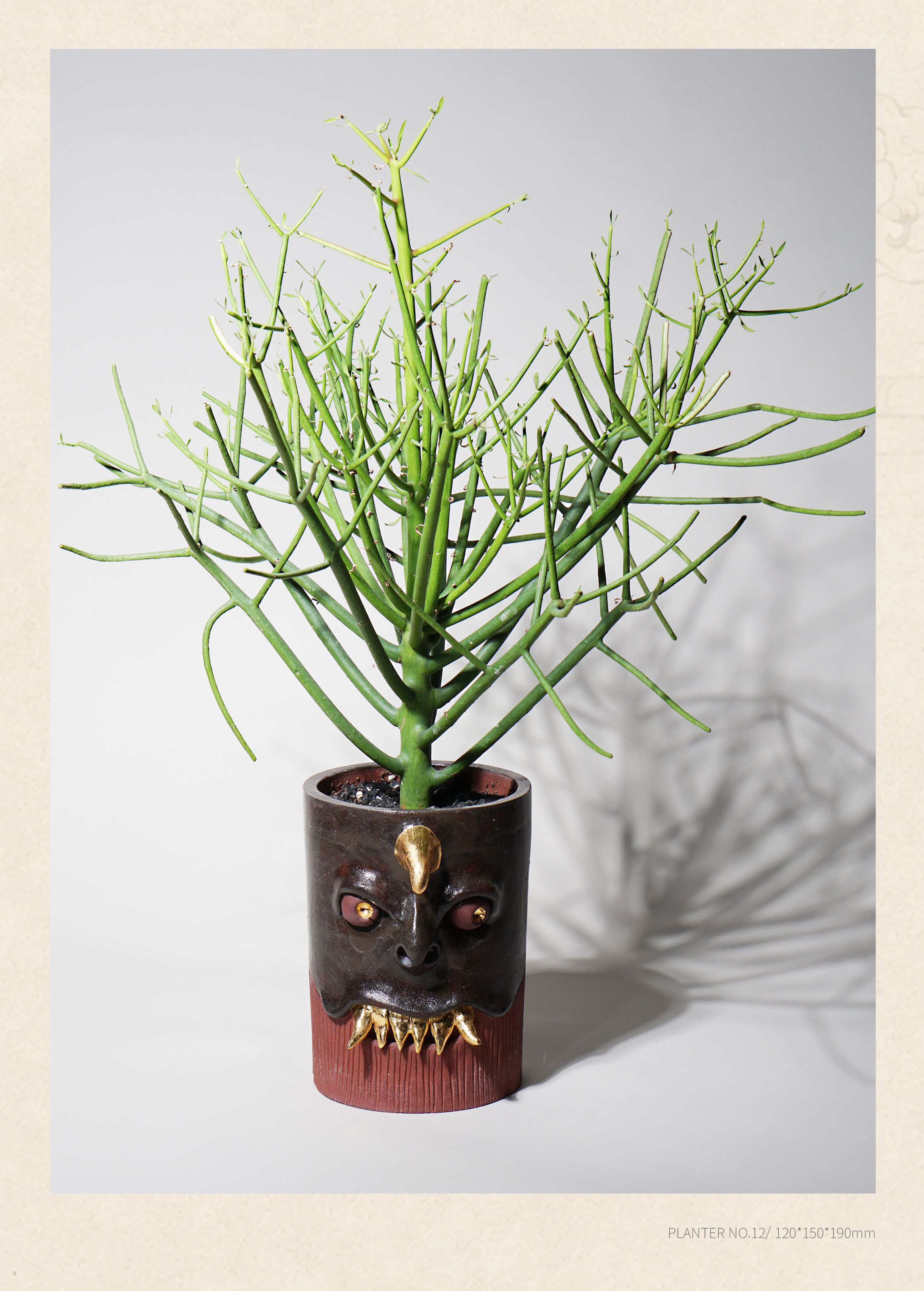
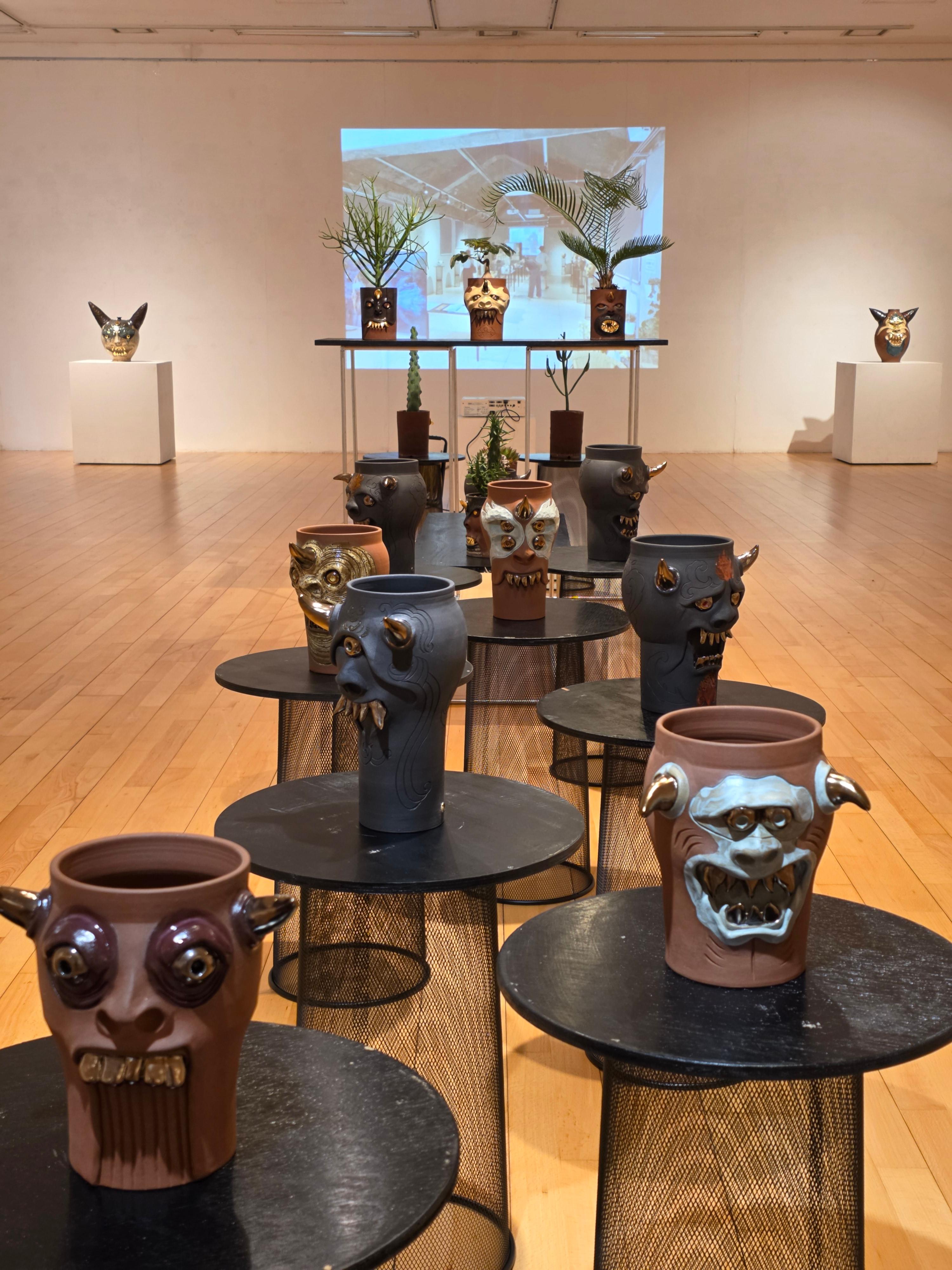
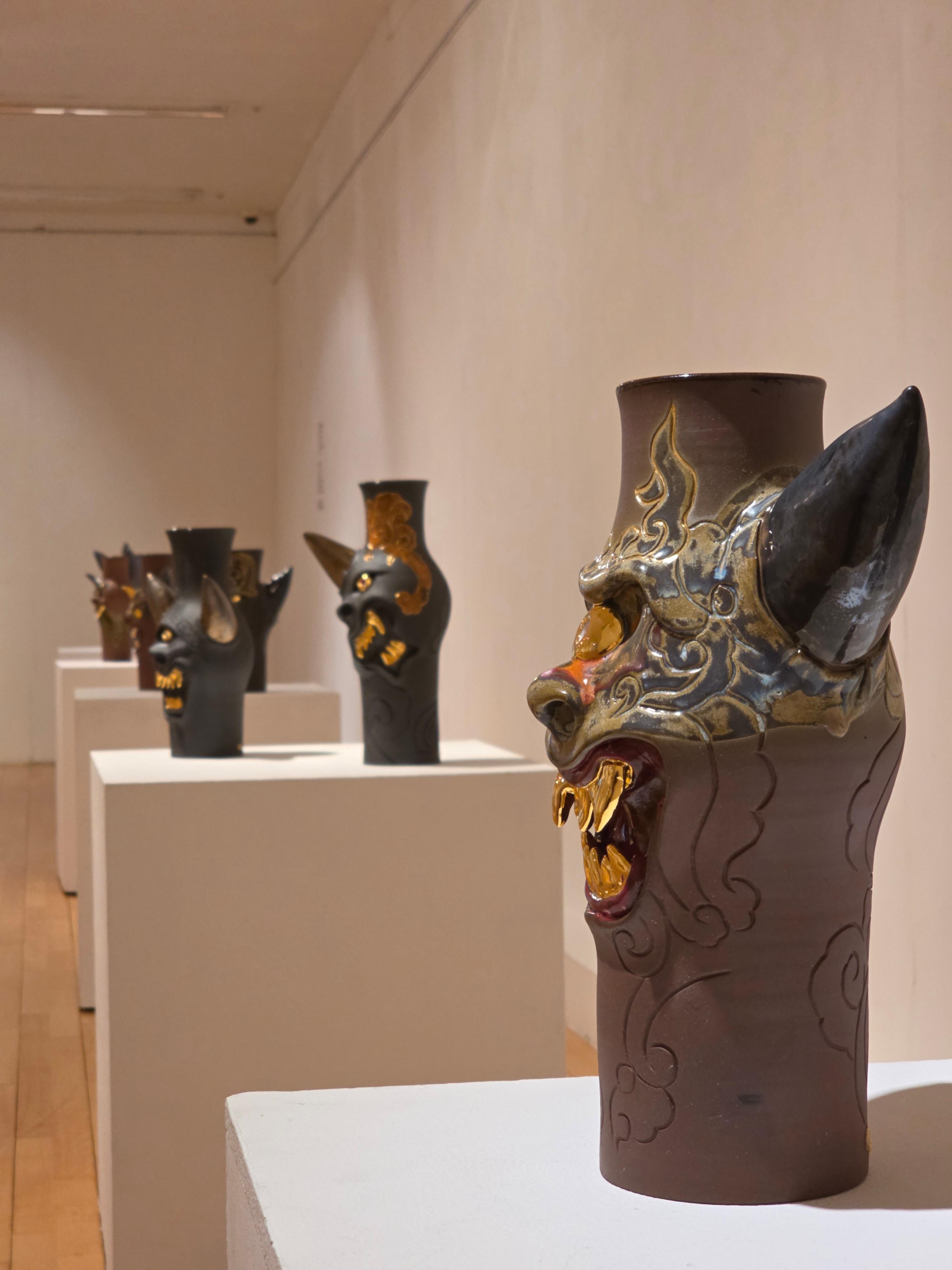
ARTIST’S STATEMENT Every day, we use things and eventually throw them away. What is discarded often disappears from our memories along with its physical existence. But is everything really over once it has been discarded? This project began with sewage sludge incineration ash, a byproduct left behind during the wastewater treatment process. Once considered to have no further use, this material became part of a new ceramic clay. I worked with this clay by hand, transforming it once again into ceramics. For this exhibition, I did not limit myself to using recycled clay alone. I also worked with a range of conventional ceramic clays, comparing their colors, textures, density, and individual qualities. Through this process, I explored how different material properties might come together to create new forms of harmony within a single work. The clay became planters, vases, and jars. Upon these familiar forms—objects that hold plants, flowers, and the passage of time—I placed the faces of Dogabi once again. I then incised traditional natural motifs such as clouds, plants, and waves into the surfaces, adding another layer of time to the clay. The Korean Dogabi cannot be defined by a single appearance. In folk tales and legends, on traditional roof tiles bearing protective faces, and in the imagination of the people, Dogabi has appeared with different faces throughout the ages. At times frightening, at times humorous, and always somewhat strange yet strangely familiar, Dogabi has remained a figure of transformation. I came to feel that this freedom of form is closely related to the nature of regenerated clay. A material once left behind in the city’s wastewater treatment process becomes incineration ash. The ash becomes clay. The clay is transformed into ceramics that can hold new life. And when the face of an imagined Dogabi is added, a new story begins. Discarded matter becomes clay again. Clay becomes form again. And form becomes story again. In this work, Dogabi is not a motif intended simply to reproduce tradition. Rather, it represents a being that continually changes and is reborn, embodying the possibilities contained within regenerated clay and the meaning of circulation. For me, clay is more than a material. It is a substance that holds time and memory, a living matter that gains new life through the human hand. The natural motifs and Dogabi faces inscribed upon the clay tell a continuous story in which abandonment and rebirth, tradition and the present, material and imagination are all interconnected. Perhaps circulation does not mean creating something entirely new. Perhaps it means discovering new meaning in what already exists and giving it another life. I hope this exhibition offers an opportunity to look again at the materials we have passed by without notice, at old stories, and at the possibilities hidden within them. HYUNG JUN KIM, Ceramic Artist



'Solo Ceramic Exhibition' 카테고리의 다른 글
| Familiar Yet Unfamiliar, DOGABI (0) | 2026.08.28 |
|---|---|
| The Aesthetics of the Intangible: DOGABI (2) | 2025.08.14 |
| Return to the beginning (0) | 2025.08.13 |
| How everything starts... (0) | 2025.08.13 |